

You stare at your cloudy aquarium and wonder if you need to take out a second mortgage just to keep the fish alive. The pet store wants you to buy expensive filters, fancy lights, and a dozen chemical bottles. But here is the truth: you do not need most of that. A healthy aquarium depends on understanding biology, not buying gear.
What Is the Most Important Factor for a Low-Cost Healthy Aquarium?
Biological stability is the single most important factor, and it costs almost nothing to achieve. A mature nitrogen cycle turns toxic fish waste into harmless compounds naturally. This process requires only a cycled filter and regular small water changes. Most expensive products try to fix problems caused by rushing this cycle.
When you set up a new tank, you must wait 4 to 6 weeks for beneficial bacteria to colonize your filter sponge. These bacteria eat ammonia and nitrite. If you skip this waiting period and add fish immediately, you will need expensive chemicals and constant testing to keep the fish alive. Patience is free.
Start by adding a pinch of fish food or a small amount of pure ammonia to the empty tank. Test the water every few days. Once your test kit reads zero ammonia and zero nitrite, your tank is cycled. This natural approach eliminates the need for bottled bacteria products, which can cost ten dollars or more per bottle and often produce inconsistent results.
How to Test Without Expensive Kits
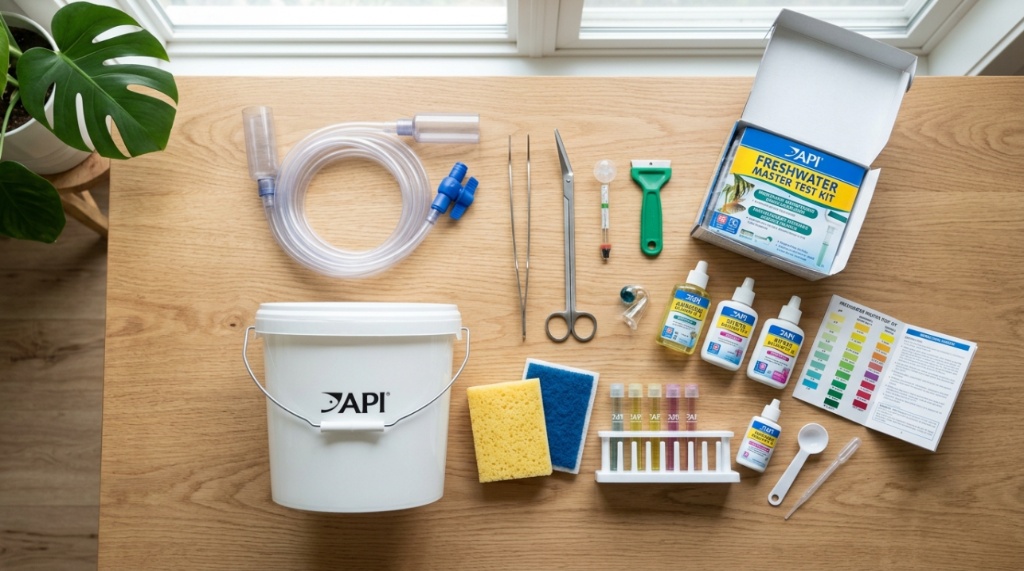
You do need a liquid test kit, but it is a one-time investment. Avoid test strips because they are less accurate and more expensive per test. A liquid master test kit costs around thirty dollars and lasts for hundreds of tests. That is less than ten cents per test.
Why Do Some Aquariums Stay Clean Without Any Fancy Gear?
These aquariums rely on a balanced ecosystem where plants and beneficial bacteria handle waste naturally. A heavily planted tank with a simple sponge filter often stays cleaner than a high-tech setup with expensive canister filters. The plants absorb nitrates directly, reducing the need for water changes.
The secret is stocking density. Overcrowding is the main reason tanks get dirty. A good rule is one inch of adult fish per gallon of water. For example, a ten-gallon tank can hold ten inches of fish total. If you push this limit, you will need stronger filtration and more maintenance.
Choose hardy, low-waste fish like neon tetras, guppies, or corydoras catfish. Avoid goldfish unless you have a large tank, because they produce massive amounts of waste. A single goldfish needs twenty gallons minimum. Fancy fish like discus require warm temperatures and frequent water changes, which raise your electric and water bills.
Plants That Clean for Free
Add easy plants like Java fern, Anubias, and hornwort. These plants do not need special lights or CO2 injection. They absorb nitrates and provide hiding places for fish, reducing stress. You can buy them from other hobbyists for a few dollars each, often cheaper than pet stores.
How Often Should You Actually Clean Your Aquarium?
Clean your tank every one to two weeks, but only change 10 to 20 percent of the water. This frequency removes waste without shocking the beneficial bacteria. More frequent cleaning is not better and can actually disrupt the biological filter.
Use a gravel vacuum to siphon debris from the substrate during water changes. This tool costs around ten dollars and lasts for years. Do not remove your fish during cleaning because the stress is harmful. Simply siphon carefully around decorations and plants.
Clean the filter sponge only when flow slows visibly, usually every four to six weeks. Rinse it in a bucket of old aquarium water, never tap water. Tap water contains chlorine or chloramine that kills the beneficial bacteria you worked so hard to grow.
The One Cleaning Task You Can Skip
Do not scrub your aquarium glass with chemical cleaners. Use a plain magnetic algae scraper or a simple razor blade for glass tanks. Chemical residues can harm fish and are completely unnecessary. Algae on the back wall is actually beneficial because it absorbs nitrates and provides food for snails and some fish.
Which Aquarium Equipment Is Actually Worth Buying?
Focus on three essential items: a reliable filter, a heater that matches your tank size, and a simple light. Everything else is optional and often a waste of money. Spend your limited budget on quality basics instead of gadgets you will never use.
A hang-on-back filter or a sponge filter works perfectly for most home aquariums. Sponge filters cost under ten dollars and are powered by an air pump that uses very little electricity. They are easy to clean and almost impossible to break. Canister filters are overkill for tanks under fifty gallons and cost three to five times more.
Choose a heater with a built-in thermostat. A 50-watt heater works for up to ten gallons, and a 100-watt heater works for up to twenty-five gallons. Set it to 78 degrees Fahrenheit for tropical fish. A reliable heater costs around twenty dollars and prevents temperature swings that stress fish.
For lighting, a basic LED strip that runs for 8 to 10 hours per day is sufficient. Do not buy expensive plant grow lights unless you have demanding plants like carpeting species. Most low-light plants thrive under standard LEDs. Set a timer so the light turns on and off automatically, which prevents algae blooms from inconsistent schedules.
While maintaining your indoor aquatic ecosystem is a rewarding hobby, getting out into nature to experience wild water environments is just as fulfilling. If you’re planning a trip to the beach or a local lake, make sure you pack the right gear like Women’s Rash Guards for Comfortable Sun to stay safe while exploring
Equipment You Should Never Buy
- Chemical filter media like activated carbon (unless you need to remove medication)
- Water conditioners that claim to remove ammonia or nitrite instantly (they do not work reliably)
- Automated feeders (they clog and overfeed, causing water quality problems)
- UV sterilizers (unnecessary for standard home aquariums)
- pH adjusting chemicals (stable pH is far better than perfect pH)
Can You Save Money on Fish Food Without Hurting Your Fish?
Yes, you can feed high-quality flake food or pellets and nothing else. Most fish thrive on a single staple food that contains balanced protein, fats, and vitamins. Buying multiple specialty foods is unnecessary and often leads to wasted product.
A medium-sized container of quality flake food costs around eight dollars and lasts for months. Feed only what your fish can eat in two minutes, once or twice per day. Overfeeding is the number one cause of dirty water and algae. Fish can survive several days without food, so underfeeding is almost always better.
For variety, you can occasionally feed frozen foods like brine shrimp or bloodworms. A flat pack costs a few dollars and lasts for dozens of feedings. Avoid live foods unless you breed fish, because they can introduce diseases and parasites into your tank.
How to Store Fish Food Properly
Keep fish food in a cool, dark place. Exposure to heat and light degrades vitamins quickly. Write the purchase date on the container, and discard any food older than six months. Expired food loses nutritional value and can foul the water.
When Should You Upgrade Your Aquarium Equipment?
Upgrade only when your current equipment fails or your fish outgrow the tank. Buying new gear because a newer model exists is a waste of money. A properly maintained filter can function well for five to ten years. A heater may need replacement every three to five years, but only if the thermostat becomes inaccurate.
If you notice your filter making strange noises or your heater not maintaining temperature, replace them promptly. Waiting until failure can kill your fish. Keep a backup heater and a spare filter sponge on hand. These cost very little but provide peace of mind.
Resist the urge to buy a larger tank unless you have a specific need. A ten-gallon tank is easier to maintain than a fifty-gallon tank because water changes are smaller and cheaper. Larger tanks are more stable but also require more water, more electricity for the heater, and more space in your home.
How Can You Reduce Your Aquarium’s Electricity Bill?
Choose an efficient air pump and LED light to keep electricity costs low. Air pumps for sponge filters draw only 2 to 5 watts. LED lights draw 5 to 15 watts depending on tank size. Heating is the only significant cost, but you can minimize it by keeping your room temperature stable.
Place the aquarium away from windows and drafty doors. A sudden drop in room temperature forces the heater to work harder and run longer. Insulate the back and sides of the tank with foam board, which costs under ten dollars at a hardware store. This simple step can reduce heater runtime by 20 to 30 percent.
Turn off the aquarium light at night. Fish need a dark period to sleep and regulate their internal clocks. A timer that costs five dollars ensures consistent day and night cycles and prevents accidentally leaving the light on for days,By focusing on low-cost habits and smart choices in aquarium maintenance budget aquarium equipment, you can keep your tank crystal clear and your fish thriving without draining your wallet.
What Are the Most Common Money-Wasting Mistakes Beginners Make?
The biggest mistake is buying all-in-one starter kits that include low-quality equipment. These kits often come with a weak filter, an inaccurate thermometer, and cheap food. You end up replacing everything within a few months. Instead, buy a bare tank and add a quality filter, heater, and light separately.
Another mistake is buying too many fish at once. New aquarists often add a dozen fish to an uncycled tank, causing ammonia spikes that kill the fish. The cost of replacing dead fish quickly exceeds the cost of waiting. Add only two to three fish at a time and wait two weeks between additions.
Medicating at the first sign of trouble is another expensive error. Most fish diseases are caused by poor water quality, not pathogens. Before buying medication, test your water and perform a water change. Often the fish recover on their own once the water is clean.
Quick Checklist to Avoid Waste
- Wait until the tank is fully cycled before adding fish
- Test water regularly with a liquid kit
- Feed sparingly and only once daily
- Change 10-20% water weekly
- Skip unnecessary chemical additives
Is It Worth Buying Used Aquarium Equipment?
Used equipment can save you 50 to 75 percent off retail prices, but only if you inspect it carefully. Check glass tanks for cracks or chips, especially along the seams. A used filter is fine as long as you replace the media and clean it thoroughly with vinegar to remove hard water deposits.
Heaters and lights are riskier because they have limited lifespans and internal components that cannot be inspected. A used heater that fails can cook your fish. For these items, buying new is worth the extra cost. Air pumps and glass tanks, however, are excellent candidates for second-hand purchases.
Check online marketplaces like Facebook Marketplace or Craigslist. Many people sell complete aquarium setups for very low prices after losing interest in the hobby. You can often get a tank, stand, filter, and accessories for less than the cost of a new tank alone.
What to Look for When Buying Used
- Fill the tank completely outdoors and check for leaks over 24 hours
- Ask how old the equipment is and why they are selling
- Inspect the filter impeller for wear or damage
- Test the heater in a bucket of water before using it in your tank
- Clean everything with a diluted bleach solution and rinse thoroughly
How Do You Handle Algae Without Spending Money on Chemicals?
Algae is a symptom of imbalance, usually too much light or too many nutrients. Fix the cause instead of buying algaecides. Reduce your light duration to 6 to 8 hours per day and ensure no direct sunlight hits the tank. Add a few fast-growing plants like hornwort or water sprite to compete with algae for nutrients.
Introduce algae-eating creatures like nerite snails or Amano shrimp. A single nerite snail costs around three dollars and will keep your glass clean for months. These animals reproduce poorly in freshwater, so you will not be overrun. Avoid Chinese algae eaters because they become aggressive as adults.
Manual removal is free and effective. Use a toothbrush to scrub algae off decorations and a razor blade to scrape the front glass. Siphon out the debris during your weekly water change. Within a week, the algae problem will diminish significantly without any chemical intervention.
Conclusion
Maintaining a healthy aquarium does not require a large budget. The key lies in understanding the natural biological processes that keep water clean and fish healthy. By cycling your tank patiently, stocking it lightly, performing regular small water changes, and buying only essential equipment, you can enjoy a beautiful aquarium for pennies a day. Skip the expensive chemicals, avoid overfeeding, and resist the temptation to upgrade gear that still works fine. Focus on consistency rather than complexity. Your fish will reward you with vibrant colors and active behavior, and your wallet will thank you. Start applying these principles today and watch your tank transform into a thriving ecosystem that costs little to maintain.
Frequently Asked Questions
How much money do I need to start a basic aquarium?
You can start a ten-gallon aquarium for about fifty to seventy dollars. This includes the tank, a simple filter, a heater, a light, and a liquid test kit. Decorations and fish add extra costs, but you can use natural items like smooth rocks and driftwood from nature after cleaning them properly.
Do I really need a water test kit?
Yes, a liquid test kit is essential for the first few months and useful for ongoing maintenance. Without testing, you cannot know if your tank is cycled or if ammonia levels are rising. Test strips are cheaper upfront but less accurate and more expensive per test over time.
Can I use tap water directly in my aquarium?
You can use tap water, but you must add a dechlorinator to remove chlorine and chloramine. A small bottle costs a few dollars and treats hundreds of gallons. Never skip this step because chlorine kills beneficial bacteria and fish gills.
How long does it take to cycle a new aquarium?
Cycling typically takes 4 to 6 weeks. The exact time depends on water temperature, pH, and the amount of ammonia source you add. Warmer water near 80 degrees Fahrenheit speeds up bacterial growth. Using established filter media from a friend can cut the time to 1 to 2 weeks.
Should I buy an automatic fish feeder for vacations?
No. Fish can easily go a week without food. An automatic feeder often malfunctions and dumps all the food at once, polluting the tank. If you are gone longer than a week, ask a friend to feed a tiny amount every other day.
What is the cheapest way to heat an aquarium?
A submersible heater with a built-in thermostat is the cheapest and most reliable option. Choose a wattage appropriate for your tank size. Insulating the tank with foam board reduces heat loss and lowers electricity consumption.
Is a sponge filter good enough for most tanks?
Yes, sponge filters work excellently for tanks up to forty gallons. They provide mechanical and biological filtration, are very affordable, and are nearly impossible to break. They also create gentle water flow, which many fish prefer.