

Is your air conditioner not performing as efficiently as it used to? Are you concerned about its lifespan? With proper care and maintenance, you can extend the lifespan of your air conditioner and ensure that it continues to provide you with cool comfort for years to come. In this article, we will discuss essential air conditioner maintenance tips and practices for maintaining your air conditioner, maximizing its efficiency, and prolonging its lifespan.
Your air conditioner is crucial in maintaining a comfortable indoor environment, especially during hot summer months. To ensure its longevity, it’s essential to adopt a proactive approach toward its maintenance. By following the tips and guidelines provided in this article, you can extend the lifespan of your air conditioner and avoid unnecessary expenses on repairs or replacements.
Importance of Air Conditioner Maintenance
Regular maintenance of your above ground pools air conditioner is vital for several reasons. Firstly, it helps optimize its performance and energy efficiency, reducing electricity bills. Secondly, it enhances the lifespan of the unit, preventing premature breakdowns. Lastly, proper maintenance ensures the air quality within your home remains clean and healthy.
Regular Cleaning and Filter Replacement
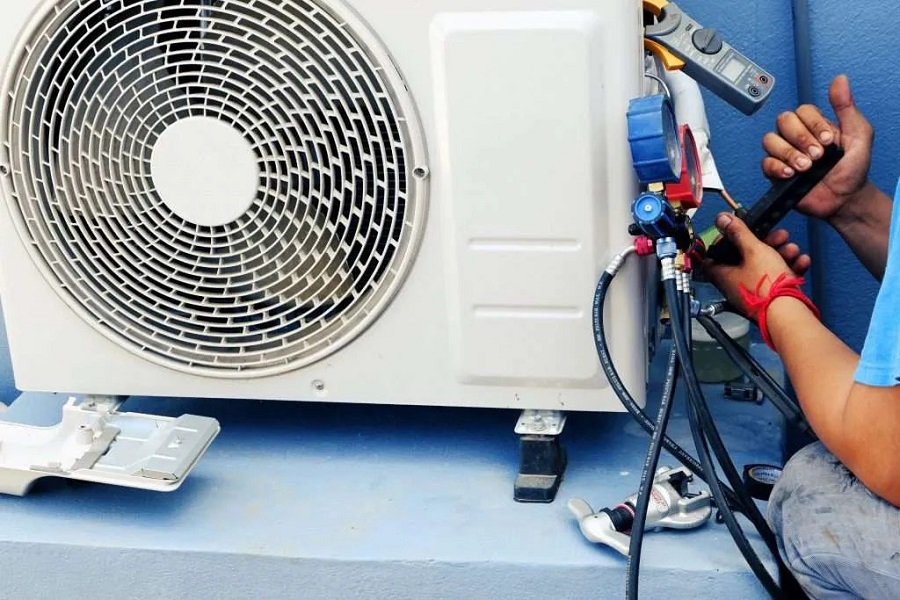
Cleaning your air conditioner regularly is an integral part of its maintenance. Begin by turning off the power supply and removing the outer casing. Gently clean the exterior and remove any debris or dirt accumulated on the surface. Clean or replace the air filters every 1-2 months, as clogged filters obstruct airflow and decrease efficiency.
Clearing Obstructions around the Outdoor Unit
Ensure that the outdoor unit of your air conditioner is free from any obstructions such as vegetation, leaves, or debris. Adequate airflow around the unit is necessary for optimal performance. Trim any bushes or plants that might interfere with the airflow and keep a clearance of at least 2 feet around the unit.
Professional Maintenance and Inspections
Hiring a professional air conditioning technician for regular maintenance and inspections is highly recommended. They can identify any potential issues, clean internal components, and optimize the unit’s performance. Professional inspections should ideally be conducted annually or bi-annually.
Monitoring and Adjusting Thermostat Settings
Proper management of your thermostat settings can significantly impact your air conditioner’s lifespan. Avoid setting the thermostat too low as it can overwork the unit. Instead, opt for a moderate temperature and consider using programmable thermostats to regulate the cooling based on your schedule.
Proper Ventilation and Airflow
To enhance the efficiency of your air conditioner, ensure that your home has proper ventilation. Keep interior doors open to allow unrestricted airflow throughout the house. Additionally, check for any blockages or obstructions in the vents and registers and clean them regularly.
Protecting Your Air Conditioner from Environmental Factors
Protecting your air conditioner from harsh environmental factors can help extend its lifespan. Cover the outdoor unit with a specialized air conditioner cover or tarp during extreme weather conditions or storms to prevent damage from debris, hail, or excessive sunlight.
Managing Humidity Levels
High humidity levels can strain your air conditioner and reduce its efficiency. Consider using dehumidifiers or running exhaust fans in areas prone to excess moisture, such as kitchens and bathrooms. Properly managing humidity levels benefits your air conditioner and improves overall indoor air quality.
Avoiding Overworking Your Air Conditioner
To avoid overworking your air conditioner, implement energy-saving practices. Close curtains or blinds during the hottest parts of the day to reduce heat gain. Use fans to circulate cool air effectively and minimize the usage of heat-generating appliances during peak hours.
Using Programmable Thermostats
Programmable thermostats offer a convenient way to regulate your air conditioner’s operation based on your schedule. Setting the thermostat to higher temperatures when you’re away from home or asleep can reduce energy consumption and prevent unnecessary wear on the unit.
Checking and Maintaining Ductwork
Leaky ducts can significantly impact your air conditioner’s efficiency. Inspect your ductwork for any cracks, gaps, or disconnected joints. Seal these areas properly using duct sealant or professional duct tape. Regularly cleaning the ducts from dust and debris is also essential for optimal performance.
Dealing with Unusual Noises or Odors
If you notice any unusual noises or odors coming from your air conditioner, it’s crucial to address them promptly. Strange sounds or foul smells may indicate underlying issues or potential malfunctions. Contact a professional technician to diagnose and resolve the problem before it escalates.
Troubleshooting Common Air Conditioner Issues
Sometimes, minor issues with your air conditioner can be resolved without professional help. Troubleshooting common problems like uneven cooling, inadequate airflow, or sensor malfunctions can save you time and money. Refer to the manufacturer’s manual or online resources for specific troubleshooting steps.
Conclusion
By implementing these maintenance practices and adopting a proactive approach toward caring for your air conditioner, you can extend its lifespan and ensure optimal performance. Regular cleaning, filter replacement, professional inspections, and appropriate thermostat settings are key to maintaining an efficient and long-lasting air conditioning system.
Frequently Asked Questions (FAQs)
How often should I clean or replace the air filters?
Regular air filter cleaning or replacement is recommended every 1-2 months to maintain optimal airflow and efficiency.
Can I clean the internal components of my air conditioner myself?
It is generally recommended to hire a professional technician for internal component cleaning to avoid any damage or mishandling.
How frequently should I schedule professional maintenance for my air conditioner?
Professional maintenance and inspections should ideally be scheduled annually or bi-annually to ensure proper functioning and detect any potential issues.
What should I do if my air conditioner is not cooling evenly?
Uneven cooling may be caused by blocked vents, dirty filters, or ductwork issues. Check and clean vents and filters, and if the problem persists, consult a professional technician.
Is it necessary to cover my outdoor unit during winter?
Covering the outdoor unit during winter is optional but recommended to protect it from harsh weather conditions and debris.