

You just finished a dawn patrol session at Ocean Beach. The fog is thick, the wind is picking up, and your core temperature is dropping fast. You peel off your wetsuit, and the cold air hits you like a wall. You need something warm, dry, and easy to throw on without wrestling with damp neoprene. A standard towel will not cut it. You need a warm surf poncho designed for California’s unique cold-water conditions. This guide will walk you through exactly what features to look for, how to size it properly, and which materials actually keep you warm, so you never have to shiver through another parking lot change again.
Why Do You Need a Warm Surf Poncho in California?
California water temperatures range from the low 50s in the winter to the high 60s in the late summer. Even during a “warm” September afternoon, the wind chill after a session can make you miserable. A warm surf poncho solves this problem by trapping body heat and blocking the wind while you change out of your wetsuit.
The Reality of California Water Temperatures
Northern California, especially spots like Mavericks, Ocean Beach, and Santa Cruz, stays cold year-round. Southern California, like Ventura or San Diego, gets warmer but still drops into the 50s during winter. A poncho rated for warm air only will leave you freezing in NorCal.
How a Poncho Differs from a Towel or Robe
A standard beach towel provides zero wind protection. A terry cloth robe soaks up water but becomes heavy and cold. A warm surf poncho California is designed specifically for changing: it has a large opening, a fleece or insulated lining, and a hood. It functions as a mobile changing room and a warming blanket combined.
When to Choose a Poncho Over a Wetsuit Jacket
Wetsuit jackets are great for between sets, but they do not help with changing. A poncho allows you to get fully undressed, dry off, and put on street clothes without exposing your skin to the wind. If you surf year-round, you need both, but the poncho is essential for the changing process.
What Materials Keep You Warmest After a Cold Session?
The material is the most critical factor for warmth. You need a fabric that wicks moisture away from your skin while also insulating against the cold air. The best options combine an outer shell that blocks wind with an inner lining that feels soft and dry against wet skin.
Fleece-Lined Ponchos vs. Terry Cloth Ponchos
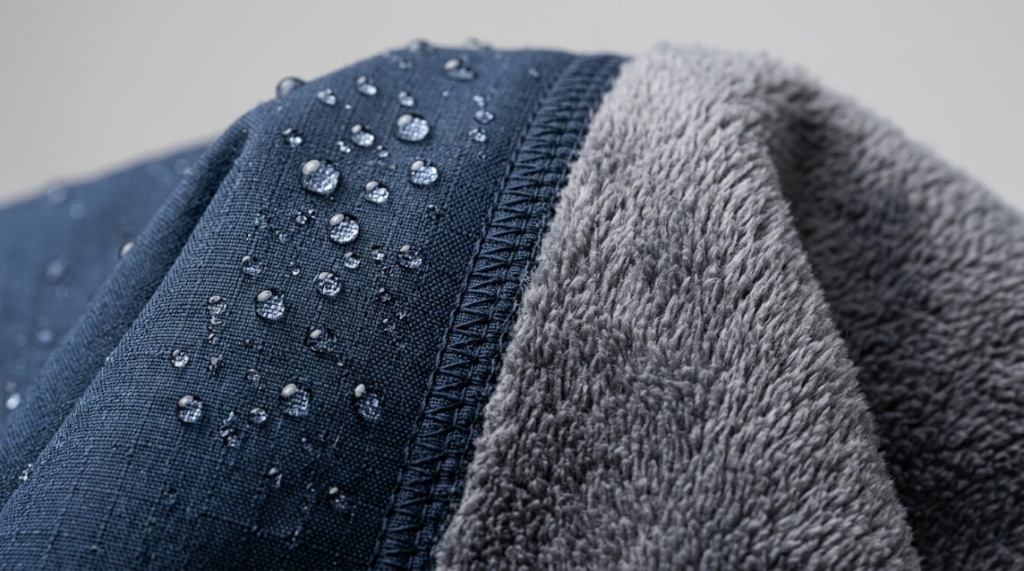
Fleece-lined ponchos are the gold standard for California cold water. They dry quickly, trap heat, and do not become waterlogged. Terry cloth (cotton) absorbs water but gets cold and heavy. For winter sessions in Northern California, always choose fleece. For summer sessions in Southern California, a lighter fleece or quick-dry microfiber can work.
Polyester Microfiber and Quick-Dry Fabrics
Many high-quality ponchos use a polyester outer shell with a microfiber inner layer. These fabrics dry in minutes, resist mildew, and provide excellent wind resistance. Look for a poncho with a DWR (Durable Water Repellent) coating on the outside to shed light rain and spray.
Why Cotton is a Bad Choice for Cold Water Surfing
Cotton absorbs water and stays wet for hours. When you stand in a cold parking lot in a wet cotton poncho, the evaporative cooling effect will make you significantly colder. Never use a cotton poncho for winter surfing in California.
How Should a Surf Poncho Fit for Maximum Warmth?
A poncho that is too small will restrict your movement and fail to cover your legs when you sit down. A poncho that is too large will let cold air rush in. You need a fit that is roomy enough to change underneath but snug enough to trap heat.
Length Matters: Hip-Length vs. Knee-Length
Knee-length ponchos provide significantly more warmth because they cover your thighs and prevent heat from escaping around your waist. Hip-length ponchos are fine for quick changes on warm days, but for California cold water, you want a poncho that reaches at least mid-thigh. Taller surfers should look for extra-long options.
Neck Opening and Hood Design
A wide neck opening allows cold air to rush down your back. Look for a poncho with a snug, adjustable neckline or a hood that sits close to your head. A hood that is too large will flop over your eyes when you try to pull a shirt over your head.
Side Openings and Snap Buttons
Side openings with snaps or velcro let you reach your arms out without pulling the ponch over your head. This is a game-changer for putting on a jacket or a sweater. Ensure the snaps are corrosion-resistant (plastic or stainless steel) since saltwater will rust metal snaps quickly.
Which Features Make a Poncho Easy to Change Under?
The primary job of a surf poncho is to provide a private space for changing. A well-designed poncho makes this process fast and comfortable, even when you are shivering and your fingers are numb.
Front Pocket for Storage and Hand Warmth
A large front pocket (like a kangaroo pouch) is not just for storing your keys or phone. It also provides a place to warm your hands immediately after the session. Some ponchos even have internal pockets for a dry change of socks or a beanie.
Interior Towel Lining vs. Lofted Insulation
Some ponchos have a looped interior that acts like a towel to dry your skin. Others have a smooth fleece interior that is softer but less absorbent. For cold water, a smooth fleece interior is better because it does not cling to wet skin. You can pat yourself dry with a separate small towel before putting the poncho on.
Adjustable Drawcords and Elastic Cuffs
Drawcords at the hem or waist allow you to cinch the poncho closed around your legs, blocking wind from below. Elastic cuffs on the sleeves help seal in warmth and keep the poncho in place while you move around.
Can You Use a Surf Poncho for Other Cold Water Activities?
Yes. A warm surf poncho is not just for surfing. California cold water conditions also affect kayakers, paddleboarders, kiteboarders, and even cold-weather swimmers. The same features that keep you warm after a surf session apply to other water sports.
Diving and Spearfishing
Divers often spend long hours in the water. A high-quality fleece poncho is excellent for warming up between dives or after exiting the water. Look for ponchos with a waterproof outer layer if you plan to stay on a boat in the wind.
Cold Weather Camping and Beach Bonfires
A surf poncho doubles as an excellent camp blanket or beach cover-up after a cold evening swim. Its loose fit allows you to wear layers underneath. This makes it a versatile piece of gear, not just a single-purpose item.
How Do You Care for a Warm Surf Poncho to Make It Last?
Saltwater, sand, and sun damage can shorten the life of your poncho significantly. Proper care ensures that your poncho remains warm and functional for many seasons. Neglecting care leads to mildew odor, fabric degradation, and loss of insulation, When braving chilly ocean conditions, staying warm during recovery isn’t the only way to build confidence on the water. Pairing proper gear with a Paddle Board That Feels Stable Instantly makes navigating choppy coastal waters smooth and effortless before you ever need to wrap up in your poncho.
Rinsing and Drying After Each Use
Rinse your poncho with fresh water immediately after each session. This removes salt crystals that can damage the fabric and break down elastic components. Hang it to dry in a shaded, well-ventilated area. Do not leave it in a wet car or a sealed bag.
Washing Instructions for Fleece and Microfiber
Most surf ponchos can be machine-washed on a gentle cycle with cold water. Use a mild detergent. Avoid fabric softeners, as they coat the fibers and reduce moisture-wicking ability. Tumble dry on low heat or air dry. Do not bleach or iron.
Storing Your Poncho Between Sessions
Store your poncho dry and loosely folded. Avoid stuffing it into a small compression bag for long periods, as this can compress the fleece and reduce its insulating loft. A breathable mesh bag is ideal for storing it in your car or gear closet.
Which Poncho Weight Is Best for California Winters vs. Summers?
California has drastically different conditions depending on the season and location. A poncho that is too heavy will make you sweat on a mild day. A poncho that is too light will leave you shivering in winter.
Summer Weight (Lightweight Fleece or Microfiber)
For June through September in Southern California, a lightweight poncho with a microfiber outer and a thin fleece inner layer is adequate. These pack down small and dry quickly. They are designed for short sessions and warm air temperatures.
Winter Weight (Thick Fleece or Insulated Shell)
For November through March, especially in Northern California, choose a poncho with a thick, high-loft fleece interior (200gsm or higher) and a windproof outer shell. Some winter-specific ponchos have a waterproof outer layer and a hood that fits over a beanie.
Are Expensive Surf Ponchos Worth the Investment?
You can find surf ponchos ranging from $30 to over $150. The price typically reflects material quality, construction, and features. For California cold water, investing in a mid-to-high-range poncho is usually worth it because cheap models use thin fabrics and poor stitching.
Key Signs of Quality Construction
Look for double-stitched seams, reinforced stress points (like the neck and pocket corners), and high-quality zippers or snaps. A cheap poncho may unravel after a few months of heavy use, while a well-made one will last for years. Check user reviews for reports of stitching failure.
Evaluating the Cost-Per-Wear
If you surf two times per week for two years, a $100 poncho costs you about $1 per use. A $40 poncho that falls apart after six months costs the same per use but provides less comfort and warmth in the meantime. For regular surfers, a higher upfront cost often delivers better value over time.
For a curated selection of high-quality options that balance warmth and price, check out the best options for warm surf ponchos California to find a model that fits your budget and needs.
How Do You Choose the Right Size for Changing Underneath?
Size is not just about height. It is about the volume of space you need to move your arms and torso while keeping the poncho closed. A poncho that is too tight will make changing a struggle. A poncho that is too loose will let cold air in.
Measuring Your Torso and Arm Length
Your torso length determines whether the poncho will reach your thighs. Your arm length determines if you can easily reach your sleeves. Most brands provide a size chart based on chest width and length. Measure a coat that fits you well and compare it to the poncho dimensions.
Room to Move vs. Heat Retention
You need about 4–6 inches of extra width around your chest to change comfortably. If you are between sizes, choose the larger size for cold water. The extra air space will actually increase warmth by trapping more body heat, as long as you can cinch the bottom closed.
What Is the Best Way to Change Under a Poncho Quickly?
Speed is crucial when you are cold. A practiced changing routine can cut your time in half and prevent that bone-chilling feeling. This process works best with a poncho that has side openings and a large front pocket.
Step-by-Step Changing Process
- Prep your dry clothes: Lay your base layer, pants, and shirt inside out on a clean towel on the ground or tailgate, in the order you will put them on.
- Put on the poncho: Pull the poncho over your head while still wearing your wetsuit. Make sure the hood is up.
- Remove your wetsuit: Reach into the poncho, unzip your wetsuit, and peel it down. Use the poncho flaps to shield your skin from wind.
- Dry off: Use a small microfiber towel inside the poncho to quickly dry your torso and legs.
- Dress from the inside out: Put on your base layer first, then pants, then shirt. Use the side openings to pull your arms through shirt sleeves without lifting the poncho.
Common Mistakes to Avoid
- Lifting the poncho: Never lift the hem to put on pants. Work from the inside. If your poncho is long enough, you can sit on the tailgate and pull pants up without exposing your skin.
- Forgetting hood management: If your hood has a drawcord, tighten it before you start changing. This keeps the poncho in place when you move your head.
- Rushing the zip: If your poncho has a full front zipper, zip it up completely before you start removing your wetsuit. This prevents drafts.
Frequently Asked Questions
Can I use a regular towel instead of a surf poncho?
You can, but a regular towel does not block wind and provides no insulation. You will get colder faster because the wet towel creates a cooling effect. A surf poncho is specifically designed to retain body heat during the changing process.
What is the best thickness for a cold water surf poncho?
For California winter conditions, look for a fleece lining of 200 grams per square meter (GSM) or higher. This provides enough insulation to keep you warm in 50-degree air temperatures after a cold session. Summer ponchos can be 100–150 GSM.
How do I prevent my poncho from smelling like mildew?
Always rinse your poncho with fresh water and hang it to dry completely within a few hours of use. Store it in a dry, open area. If mildew odor develops, wash it with a cup of white vinegar in the rinse cycle, then wash again with mild detergent.
Are there ponchos made specifically for women in cold water?
Many brands now offer ponchos with a slightly narrower shoulder width and a longer torso to accommodate the female form. However, many women prefer unisex or men’s sizes for a roomier fit that is easier to change under. Check the size chart for chest and length dimensions.
Can I wear my poncho inside my wetsuit between sets?
No. Surf ponchos are not designed to be worn under a wetsuit. They are too bulky and will trap water. For keeping warm between sets, use a neoprene wetsuit jacket or a high-quality rash guard.
How do I fix a torn poncho seam?
Small tears in the fabric can be repaired with a patch of waterproof fabric tape or a squeeze of seam grip glue. For major seam failures, take it to a repair shop that works with outdoor gear. Avoid using a regular sewing machine unless the fabric is robust enough.
Is a hood necessary on a surf poncho?
A hood is highly recommended for cold water. It prevents heat loss from your head and neck, which is where a significant amount of body heat escapes. A hood also protects your hair from wind and helps you stay comfortable while you change.
Conclusion
Choosing the right warm surf poncho for California cold water comes down to understanding the local conditions, prioritizing material quality, and selecting a fit that allows for easy changing. Focus on fleece or quick-dry synthetic linings, a knee-length cut for maximum coverage, and features like an adjustable hood and side snaps. Avoid cotton at all costs. By investing in a poncho built for cold water, you turn the miserable post-surf shiver into a comfortable transition back to dry clothes. You will extend your surf sessions through the winter and enjoy the California coast without dreading the parking lot. Now, pick a poncho that fits your needs and get back in the water with confidence.