
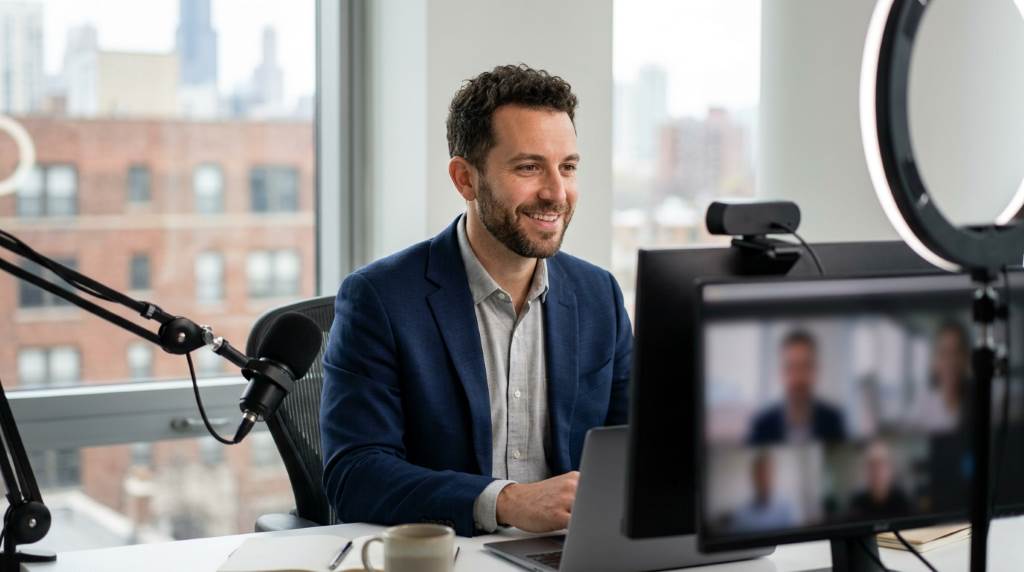
Video calls now shape hiring decisions, client meetings, and remote collaboration across many industries. A recent survey from Zoom found that professionals spend several hours each week in virtual meetings, while recruiters often form first impressions within minutes. Because of this shift, many workers actively prepare for zoom interview sessions with greater focus than ever before. Professionals in Chicago, IL understand that strong camera presence influences trust, confidence, and communication quality. As competition grows in remote and hybrid workplaces, polished on-camera behavior has become an essential professional skill.
Why Camera Presence Matters in Chicago’s Professional Culture
Chicago professionals work in fast-moving sectors like finance, healthcare, law, consulting, and technology. Many companies now conduct remote presentations, interviews, and negotiations through video platforms. Because of this trend, professionals who appear confident on camera often gain a competitive advantage. Clear communication and visual confidence help people establish authority quickly during virtual interactions.

The city’s business culture also values direct communication and polished presentation skills. Professionals in Chicago regularly engage with clients from different states and countries through digital meetings. Therefore, camera presence often shapes how others judge professionalism and leadership ability. Strong virtual communication now carries the same importance as in-person networking in many organizations.
Weather conditions in Chicago also affect remote work routines throughout the year. Long winters encourage more indoor workdays and virtual meetings during snowstorms or freezing temperatures. As a result, many professionals build home office environments designed specifically for consistent video performance. Some even explore flexible career ideas and income opportunities that support remote lifestyles while improving digital communication skills.
Building a Professional Video Setup at Home
Choose the Right Lighting
Lighting dramatically changes how people appear during video calls. Chicago professionals often use soft front-facing lighting because winter skies can create dull indoor conditions. Ring lights and adjustable LED desk lamps help reduce shadows and improve facial visibility. Natural window light also works well when positioned directly in front of the speaker.
Many professionals avoid overhead lighting because it creates harsh shadows under the eyes. Instead, they combine warm and cool lighting sources for a balanced appearance. Consistent lighting helps viewers focus on expressions rather than distractions. Good lighting also improves camera quality even on standard laptops.
Improve Camera Placement
Camera height affects body language and viewer perception during meetings. Professionals usually place webcams at eye level to maintain natural engagement. This angle creates better posture and supports direct eye contact throughout conversations. Elevated laptop stands or external webcams often improve the setup significantly.
Looking slightly downward into a camera can reduce confidence and authority on screen. Therefore, professionals in Chicago often test multiple angles before important meetings. They also check framing to keep shoulders and upper chest visible. Balanced framing creates a more conversational and trustworthy appearance.
Upgrade Audio Quality
Poor sound quality can damage communication even when video looks professional. Chicago professionals frequently use USB microphones or wireless earbuds to improve voice clarity. These tools reduce background noise from city traffic, heating systems, or apartment neighbors. Clear audio allows conversations to flow smoothly without constant interruptions.
Many remote workers also test room acoustics before major presentations. Soft furnishings like curtains, rugs, and fabric chairs help reduce echo during calls. Professionals avoid empty rooms with hard surfaces because sound bounces excessively. Small audio improvements often create a major impact on meeting quality.
Mastering Body Language on Camera
Maintain Natural Eye Contact
Strong eye contact creates trust during virtual communication. Instead of staring at their own image, experienced professionals focus directly on the webcam while speaking. This technique makes conversations feel more personal and attentive. It also helps presenters appear more confident during interviews and presentations.
Chicago executives often practice this habit before important meetings. They learn to glance briefly at notes without losing visual connection with participants. Consistent eye contact improves listener engagement during long virtual discussions. As a result, meetings feel more authentic and productive.
Control Facial Expressions
Video calls magnify facial movements more than in-person conversations. Professionals therefore remain aware of subtle reactions during discussions. Relaxed expressions help speakers appear approachable and calm under pressure. Controlled expressions also prevent misunderstandings during serious business conversations.
Smiling naturally at appropriate moments creates a welcoming atmosphere during meetings. However, professionals avoid exaggerated reactions that may seem distracting. Balanced emotional expression supports stronger communication and professional credibility. This skill becomes especially valuable during interviews or client negotiations.
Use Intentional Hand Gestures
Purposeful hand gestures help emphasize important points during presentations. Professionals in Chicago often keep gestures within the camera frame for better visibility. Controlled movements create energy without appearing chaotic or distracting. This approach improves communication clarity during virtual discussions.
Many presenters rehearse gestures before important meetings to avoid nervous habits. Excessive movement can reduce viewer focus during detailed explanations. Calm and intentional gestures support stronger authority on screen. Consequently, speakers appear more polished and composed.
Adapting to Chicago’s Seasonal Challenges
Handling Winter Lighting Problems
Chicago winters bring shorter daylight hours and gray skies that affect indoor video quality. Professionals often schedule meetings near windows during daytime hours whenever possible. Supplemental lighting becomes essential during early mornings and late afternoons. Proper lighting prevents tired or shadowed appearances during calls.
Winter weather can also create power fluctuations or internet instability. Therefore, many professionals maintain backup devices and mobile hotspots for critical meetings. Preparation reduces stress during unexpected technical disruptions. Reliable planning strengthens overall professional performance.
Managing Summer Background Noise
Summer months in Chicago often introduce construction sounds, outdoor traffic, and neighborhood activity. Noise-canceling microphones help professionals maintain clean audio despite busy surroundings. Many remote workers also choose quieter meeting times during peak outdoor activity. Small adjustments significantly improve call quality.
Professionals living near downtown areas frequently soundproof their workspace with curtains or wall panels. Consistent audio quality becomes especially important during client presentations or interviews. Background distractions can weaken audience attention quickly. Controlled environments support smoother communication.
Developing On-Camera Confidence
Practice Before Important Meetings
Confidence improves through repetition and preparation. Many Chicago professionals rehearse presentations using recorded video sessions before major calls. Watching recordings helps identify posture issues, filler words, or distracting habits. Self-review allows steady improvement over time.
Professionals also simulate interview conditions to strengthen performance under pressure. Practicing responses creates smoother delivery during real conversations. Preparation reduces nervousness and improves message clarity. As a result, speakers appear more composed and credible.
Create a Pre-Meeting Routine
Successful professionals often follow routines before joining video calls. Some review talking points while others adjust lighting and camera positioning. Simple preparation creates a calmer mindset before important discussions. Organized routines also reduce technical mistakes during meetings.
Hydration and posture checks help maintain energy during long calls. Professionals avoid rushing into meetings without mental preparation. Consistent routines improve focus and communication quality. This habit supports stronger performance throughout the workday.
Interestingly, some communication coaches encourage professionals to explore activities that stimulate creativity before meetings. Many workers use reading exercises and reflective prompts similar to the ideas shared in daily curiosity-building discussions to sharpen conversational thinking and improve spontaneous communication.
Virtual Wardrobe Choices That Work on Camera
Select Camera-Friendly Colors
Certain clothing colors appear better on webcams than others. Professionals often choose solid tones like navy, gray, blue, or muted green for virtual meetings. These colors create strong contrast without overwhelming the camera. Simple clothing also helps viewers focus on communication instead of patterns.
Chicago professionals avoid bright neon shades or heavy patterns during presentations. Distracting designs may flicker or distort on lower-quality webcams. Neutral clothing creates a cleaner and more professional appearance. Proper wardrobe selection strengthens overall camera presence.
Dress for the Meeting Type
Different industries maintain different virtual dress expectations. Legal and financial professionals in Chicago often wear business attire even during remote calls. Meanwhile, technology workers may choose polished casual clothing for daily meetings. Matching attire to company culture supports credibility and professionalism.
Professionals also consider background colors when selecting outfits. Contrasting clothing prevents blending into walls or furniture. Balanced visual presentation improves viewer engagement during conversations. Small visual details often shape lasting impressions.
Creating an Effective Background
Keep the Space Clean and Simple
A cluttered background distracts viewers during important conversations. Professionals usually maintain organized spaces with minimal decorative elements. Simple shelves, artwork, or plants create a professional yet welcoming environment. Clean backgrounds also reduce visual stress during meetings.
Many Chicago professionals use neutral wall colors for better video balance. Busy decorations can pull attention away from the speaker. Organized spaces communicate discipline and attention to detail. Consequently, viewers remain focused on the conversation itself.
Use Virtual Backgrounds Carefully
Virtual backgrounds work best when used subtly and professionally. Poor-quality backgrounds can distort movement and reduce visual credibility. Therefore, many professionals prefer real environments whenever possible. Authentic settings often create stronger trust during conversations.
When virtual backgrounds become necessary, professionals select clean office-style designs. Neutral tones and simple layouts appear more realistic on camera. Overly creative backgrounds may distract participants during serious discussions. Professional consistency remains the priority.
Communication Techniques That Improve Camera Presence
Speak with Controlled Pace
Fast speech becomes harder to process during video calls. Professionals therefore slow their pace slightly to improve clarity and understanding. Controlled speaking creates confidence and helps listeners absorb information more effectively. Pauses also allow smoother transitions between ideas.
Chicago professionals frequently practice vocal pacing before presentations. Clear speech becomes especially important during unstable internet connections. Deliberate pacing reduces communication errors during virtual discussions. Strong vocal control improves audience engagement significantly.
Avoid Multitasking During Meetings
Multitasking weakens eye contact and body language during calls. Experienced professionals stay fully present during important conversations. Focused attention improves listening skills and response quality throughout meetings. Participants notice engagement levels quickly in virtual environments.
Professionals silence notifications and close unnecessary tabs before joining meetings. This habit reduces distractions and improves concentration. Active listening also supports stronger professional relationships over time. Undivided attention creates better communication outcomes.
The Psychological Side of Camera Presence
Camera presence involves more than technical setup or appearance. Confidence often comes from mental preparation and emotional control before meetings. Chicago professionals increasingly use mindfulness exercises to reduce virtual meeting anxiety. Calm energy translates clearly through video communication.
Professionals also recognize the impact of posture on mindset and delivery. Sitting upright improves breathing, vocal projection, and confidence levels. Small physical adjustments influence emotional performance significantly. Strong posture supports more authoritative communication during calls.
Interestingly, educators in Chicago now teach digital communication awareness to younger students as remote learning expands. Some training discussions connect closely with broader conversations about online learning safety and responsible digital behavior in educational settings.
Conclusion
Professionals in Chicago, IL master camera presence by combining technical preparation, confident communication, and consistent practice. Strong lighting, clear audio, controlled body language, and thoughtful presentation all contribute to better virtual interactions. Seasonal challenges in Chicago also encourage professionals to build adaptable and reliable remote work setups. As video communication continues shaping modern business culture, strong on-camera skills will remain essential for career growth and leadership success.
Anyone can improve camera presence with focused practice and intentional adjustments. Start by improving one area at a time, whether it involves lighting, posture, eye contact, or vocal delivery. Small changes often create noticeable professional results during meetings and interviews. Begin refining your virtual communication skills today to build stronger confidence and leave lasting impressions in every video call.
FAQs
How can professionals improve eye contact during video calls?
Professionals improve eye contact by looking directly at the webcam instead of their on-screen image while speaking.
What lighting works best for virtual meetings?
Soft front-facing lighting or natural window light creates the most balanced and professional appearance.
Why is audio quality important in video calls?
Clear audio prevents misunderstandings and helps participants stay focused during conversations.
Do virtual backgrounds look professional?
Simple and realistic virtual backgrounds can appear professional when used carefully and without distortion.
How does Chicago weather affect remote meetings?
Chicago weather affects lighting conditions, internet reliability, and background noise throughout different seasons.