
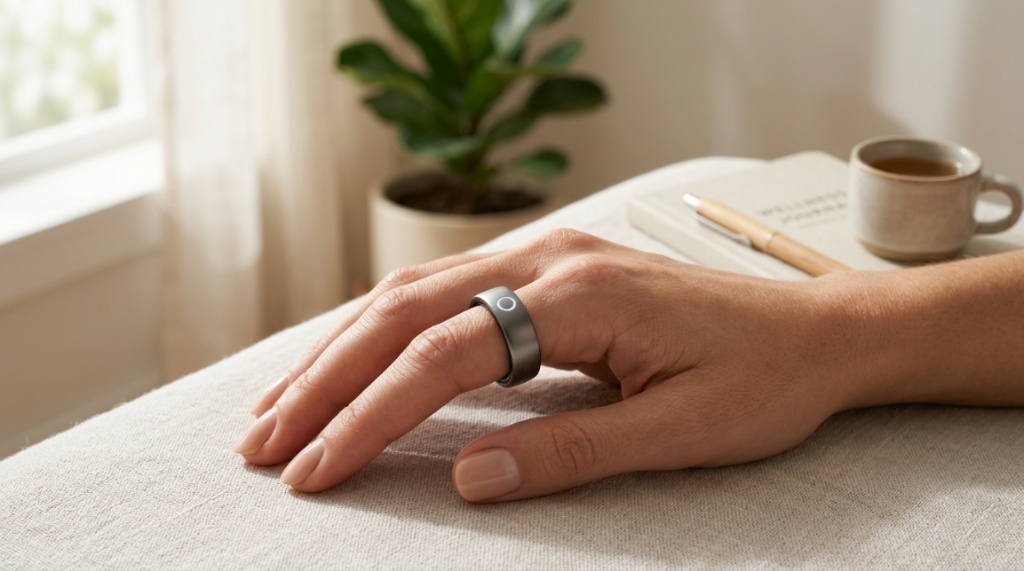
You’ve traded your wristwatch for a sleep tracker, and now your nightstand is cluttered with multiple devices telling you different things about your health. Maybe you’re tired of the bulky band digging into your wrist during work hours, or perhaps you want data that keeps flowing even when you’re not actively thinking about fitness. The smart ring is an appealing solution, but with so many new models hitting the market, choosing the right one for your specific wellness routine can feel overwhelming. Finding the right device is not just about buying the most expensive option—it’s about matching technology to your habits, goals, and even your skin sensitivity. This guide will walk you through the exact criteria to consider, the common pitfalls to avoid, and how to build a smart ring wellness routine that actually sticks long-term.
Key Takeaways
- Sensor accuracy varies significantly between brands; focus on the metrics you will actually use rather than chasing a long feature list.
- Battery life and charging convenience matter more than you think—a ring that dies mid-week cannot support a daily wellness routine.
- Comfort and fit are non-negotiable. Sizing errors are the leading reason people abandon their rings within the first month.
- Subscription fees can double the cost of ownership; always calculate the total price over two years before making a purchase decision.
- Your specific goal—whether it is sleep tracking, recovery, or activity tracking—should determine which brand and sensor package you choose, not the other way around.
Why Choose a Smart Ring Over a Traditional Fitness Tracker?
Smart rings solve a problem that wrist-based trackers have never fully addressed: wearability fatigue. Many people also prefer the discreet nature of a ring in professional settings where a bright silicon band might look out of place. Unlike a watch, which you might remove for a shower or to charge, a ring is designed to be worn continuously, even while sleeping. This 24/7 wearability is crucial for tracking overnight heart rate, body temperature trends, and sleep stages—all essential components of a robust recovery protocol. For many users, the ring is less about counting steps and more about understanding recovery trends and readiness scores. To see how these devices compare to more traditional trackers and to understand the broader landscape of options, you might look at established comparison resources, but the core principle remains: the ring prioritizes passive, continuous data collection over active interaction.
Essential Features to Evaluate Before Buying
Before you start comparing brands, you need to define what “wellness” means for your daily life. Are you an endurance athlete focused on HRV trends? A new parent desperate to understand sleep fragmentation? Or someone simply wanting to monitor resting heart rate for general stress awareness? Your answer determines which features are mandatory and which are just expensive extras.

Sensor Accuracy and Data Reliability
Most rings use photoplethysmography (PPG) sensors to measure blood flow. They also use accelerometers to detect motion. The key is how the manufacturer processes that data. Some brands are excellent at measuring heart rate during sleep but struggle during daytime activity when your hands are moving constantly. If you plan to use the ring for daytime activity tracking, look for reviews that specifically test accuracy against chest straps or medical-grade devices. Be wary of rings that promise blood pressure monitoring or glucose tracking unless they have received regulatory clearance—most have not.
Battery Life and Charging Habits
Battery life is the hidden differentiator. Most rings last between four and seven days on a single charge. While a seven-day battery sounds superior, consider the charging mechanism. Some rings come with a small USB-C dock, while others use a clunky travel charger that requires the ring to be snapped in place. Look for rings that charge to at least 50% in under 30 minutes. If you travel frequently, a battery that cannot last a full week becomes a nuisance. If you track sleep, you will need to charge during the day—ideally while you are at your desk or in the shower—to avoid data gaps.
Durability and Material Quality
You are going to bump this ring against gym equipment, car doors, and countertops. Most premium rings are made from titanium, which offers a good balance of strength and light weight. However, the inner lining—usually a resin or epoxy—is prone to scratches from dirt or sand. If you lift heavy weights, consider a ring with a recessed sensor design that keeps the optics flush with the skin to prevent irritation. Also, check the water resistance rating. Most rings are safe for swimming, but few are rated for scuba diving or high-pressure water sports.
How to Ensure a Perfect Fit and Daily Comfort
The most accurate sensor in the world is useless if you take the ring off every night because it pinches your finger. Sizing is the most ignored yet critical step in the buying process. Your finger size fluctuates based on time of day, heat, salt intake, and even seasonal changes. A ring that fits perfectly in the morning may be tight after a salty meal or a workout.
Complete your bridal look by checking out our guide on how to choose Wedding Earrings and Still Look Elegant.
The Sizing Kit Pitfall
Brands usually send a plastic sizing kit to determine your finger size. Here is a mistake most people make: they try the sizers on in the morning or while sitting still. Instead, you should wear the sizer during a workout, in the evening, and even during a long walk to see how much your finger swells. The fit should be snug enough to keep the sensor in contact with your skin, but loose enough to spin slightly with gentle pressure. You should not need to pull hard to remove it. If you are between sizes, size up—a slightly loose ring is more comfortable than one that restricts circulation.
Which Finger Should You Wear It On?
Most users prefer the index, middle, or ring finger on their non-dominant hand. The index finger often yields the highest signal quality but is also the most prone to catching on things. Your dominant hand typically swells more and is more active, which can cause motion artifacts in the data. Once you choose a finger, stick with it. Consistency matters for temperature trend tracking, as different fingers have different baseline temperatures.
Privacy, Subscription Costs, and Long-Term Ownership
Smart rings are collecting highly sensitive biometric data continuously. Before you purchase, you need to understand how that data is stored, who owns it, and whether you can export it. This is often an afterthought, but it is crucial for long-term satisfaction.
Analyzing the Total Cost of Ownership
Be careful here: some brands sell the ring at a low price but lock advanced metrics behind a monthly subscription fee. For example, a ring might be $299, but the readiness score, sleep stage breakdown, and trend reports might require a $5.99 monthly fee. Over two years, that adds up to roughly $140 extra. Compare this to brands that include all data in the upfront price, even if the initial hardware cost is higher. Always calculate the two-year total cost:
(Ring Price) + (Monthly Subscription Fee × 24) = Total Cost of Ownership
If you are looking for a device that fits seamlessly into your daily life without adding another monthly bill, prioritize the initially more expensive option with no subscription. This also keeps your financial commitment clean if you decide to sell the ring later.
Data Integration with Other Platforms
Your ring should not live in a silo. Check whether the companion app syncs natively with Apple Health, Google Fit, or Oura’s ecosystem. If you use a Garmin watch or a Peloton bike, you will want the ring’s data to feed into those dashboards. However, be cautious about double-counting: if you wear both a watch and a ring, you will get two different step counts. Decide which device is your primary source of truth for activity, and use the other for specialized metrics like HRV or sleep.
Common Mistakes to Avoid When Starting Your Routine
Even after you buy the right ring, the first two weeks can be frustrating if you fall into these traps. Understanding these early pitfalls helps you set realistic expectations and prevents you from abandoning the device prematurely.
- Obsessing over daily fluctuations: Your HRV and resting heart rate will bounce around daily. Looking at the trends over a 30-day window is more meaningful than worrying about a single bad score.
- Charging at the wrong time: If you charge only when you remember, you will inevitably run out of battery during the night. Build a habit of charging the ring for 20 minutes while you make your morning coffee or brush your teeth.
- Wearing it during heavy contact sports: Rings can cause “ring avulsion” injuries if caught on equipment. Remove the ring for heavy lifting, rock climbing, or gymnastics to protect your finger.
- Ignoring the “baseline” period: Most rings require 7–14 days to establish your personal baseline. The alerts and readiness scores are unreliable until that calibration period is complete.
Evaluating the Digital Companion App
The hardware is only half the product; the software is what makes the data understandable. The app should help you identify patterns, not just dump raw data on a dashboard. Look for an app that offers “Readiness” or “Recovery” scores that translate raw sensor data into actionable guidance. For example, if your body temperature is elevated and your HRV is low, the app suggesting a rest day is more useful than a chart showing your temperature rose 0.5 degrees. The interface should be clean, without constant advertisements for add-on products. Also, consider the frequency of firmware updates. Brands that update their algorithms regularly show a commitment to improving data accuracy over time.
Frequently Asked Questions
Can a smart ring replace my smartwatch?
Yes, for most wellness and sleep tracking needs, a smart ring can replace a smartwatch. However, the ring does not offer notifications, media controls, or built-in GPS for outdoor runs. If you need a screen for quick text responses, you will still need a watch.
Is it safe to wear a smart ring while doing heavy lifting?
It is generally safe for light gym work, but heavy lifting can cause the ring to crush against the weight bar, creating a sharp edge that cuts your skin. Absolute safety requires removing the ring during heavy gripping exercises like deadlifts or rope climbing. The titanium frame can also scratch dumbbells or barbells.
How often do smart rings need to be recharged?
Most models last between 3 and 7 days depending on usage. If you use the “track continuously” setting with fine-grained motion detection, you will see closer to 3 days. With optimized settings, you might reach a full week. Always check the specific battery estimate for your intended usage pattern.
Will the smart ring track my steps accurately?
Step tracking is the least accurate metric on a smart ring because hands move more erratically than wrists. You will get a rough estimate, but the ring is much more reliable for sleep, heart rate, and temperature trends. If you are obsessed with step count accuracy, a ring is not the right device for you.
Can I shower and swim with the smart ring?
Yes, most premium smart rings are water-resistant to at least 50 meters. You can shower, swim, and sweat with them on. However, you should avoid contact with saltwater or chlorine for extended periods, as they can degrade the adhesive holding the protective coating. Rinse the ring with fresh water after swimming in a pool.
How long do smart rings typically last before needing a replacement?
The battery is the determining factor. Most smart ring batteries have a lifespan of 2,000–3,000 charge cycles, which translates to roughly 3–4 years of daily use. The internal battery is non-replaceable in almost all models, so the ring is effectively disposable after that period.
Conclusion
Finding the right smart ring for your wellness routine comes down to honest self-assessment: what data actually prompts you to change your behavior? While the technology is impressive, the primary challenge is not the sensor—it is your willingness to wear the device consistently and interpret the data without neurosis. Prioritize comfort and battery life over marketing claims about new sensors. Skip subscription models unless they offer significant value, and always base your decision on the two-year total cost. Once you get the ring on your finger, resist the urge to check the numbers every hour. Trust the 30-day trend, and let the data guide your recovery rather than rule your day. The best smart ring is not the one with the most features, but the one you forget you are wearing—until it quietly tells you to sleep a little longer or take that rest day.