

You’re standing at the edge of a cliff, heart pounding, harness clipped in. The only thing between you and a safe descent is the rope in your hands. One wrong choice, and a day of adventure turns into a life-threatening situation. The problem is that the market is flooded with ropes that claim to be “dynamic,” “static,” “durable,” or “lightweight,” but not all of them will keep you alive. Choosing the safest rappelling rope isn’t about brand loyalty or picking the cheapest spool; it’s about understanding the physical forces at play and matching the rope’s engineering to your specific activity. In this guide, you will learn exactly how to evaluate rope construction, diameter, material, and certifications to ensure every descent is as safe as it is thrilling
What Makes a Rappelling Rope Safe vs. Unsafe?
A safe rappelling rope is engineered to handle specific loads, impacts, and environmental conditions without failing. An unsafe rope often lacks the correct certification, has hidden core damage, or is used in a way that contradicts its design purpose. The fundamental difference lies in the rope’s ability to absorb energy and resist abrasion.
Understanding the Safety Triangle: Strength, Energy, and Durability
Safety in rappelling is a balance of three factors: tensile strength (how much weight it holds), energy absorption (how it manages shock loads), and durability (how it resists wear). A rope that is strong but brittle is dangerous because it snaps under sudden force. Conversely, a rope that stretches too much makes descent control difficult. The safest rope manages all three properties in harmony.
Static vs. Dynamic Ropes: Why the Wrong Type Kills
Many beginners use a dynamic climbing rope for rappelling because it is what they have in their gear closet. However, dynamic ropes are designed to stretch significantly (up to 40%) to catch a falling climber. For rappelling, this stretch creates a bouncy, unstable descent and increases rope wear against carabiners and anchors. The safest rappelling rope is typically a low-stretch static rope, which has less than 5% elongation under load, giving you precise control and reducing friction damage.
Identifying Unsafe Features: Core Shots, Sheath Slippage, and UV Rot
Visible damage is the number one sign of an unsafe rope. Look for “core shots” where the inner fibers are exposed through the sheath, sheath slippage where the outer cover moves independently of the core, and discoloration from UV exposure. A rope that feels flat or has soft spots in the middle is a ticking time bomb.
Which Rope Diameter Offers the Best Safety Margins?
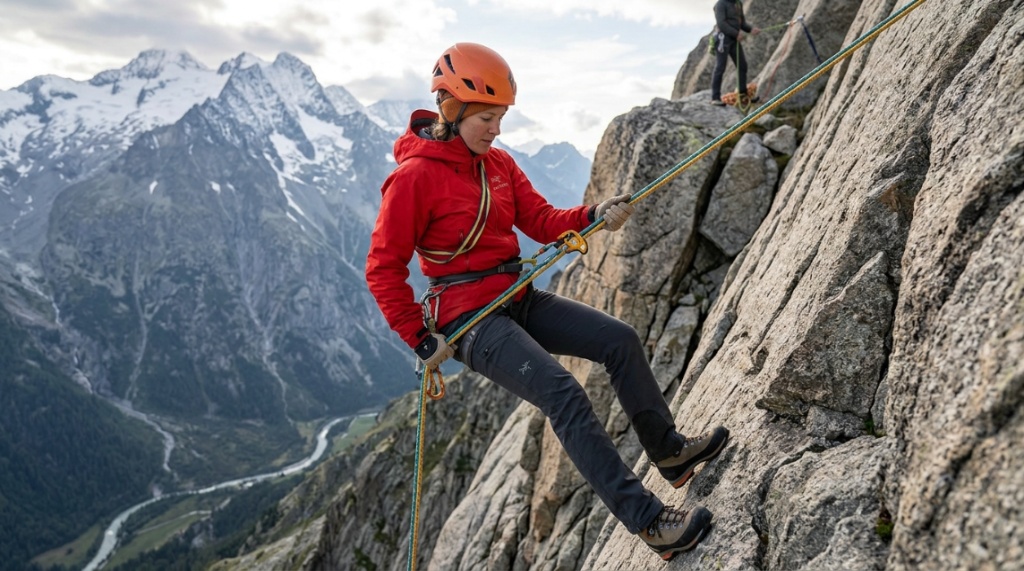
Diameter directly impacts handling, weight, and strength, but the safest choice for rappelling is usually a rope between 9.5mm and 11mm. Thinner ropes (8mm–9mm) are lighter but wear out faster and are harder to grip with standard rappel devices. Thicker ropes (11mm+) are bulletproof but heavy.
The 10mm Sweet Spot: Why It is the Gold Standard
For most rappelling applications—whether you are descending a canyon in New York or practicing on a local crag—a 10mm static rope offers the best balance of durability and handling. It fits standard brake devices like the ATC or Grigri, has excellent abrasion resistance, and provides enough grip for gloved or bare hands. This diameter is widely considered the safest rappelling rope for general use.
Thin Ropes (8mm–9mm): When to Use Them and When to Avoid
Thin ropes are popular for multi-pitch alpine descents where weight savings are critical. However, they require specialized rappel devices designed for smaller diameters. Using a standard device on an 8mm rope can result in insufficient friction, leading to a runaway descent. If you choose a thin rope, you must pair it with a compatible tube-style device like the Petzl Reverso or a Gripli.
Thick Ropes (11mm+): The Trade-Off Between Safety and Portability
Thicker ropes offer maximum durability and are resistant to sharp rock edges. They are the best choice for high-traffic rappel routes or rescue scenarios where the rope will see heavy use. The downside is weight—a 70-meter 11.5mm static rope can weigh over 10 pounds, making it impractical for long approaches.
How Does Rope Material Affect Safety in Different Conditions?
Nylon and polyester are the two main materials used in rappelling ropes. Nylon stretches more, while polyester maintains its shape better. The material you choose must match the environment you are rappelling in, especially regarding water, mud, and chemical exposure.
Nylon (Polyamide): Excellent Shock Absorption but Poor Wet Performance
Nylon is the traditional choice for dynamic ropes because it absorbs energy well. However, when wet, nylon loses up to 20% of its strength and becomes much heavier. If you are rappelling in a wet canyon or in humid conditions, a nylon rope increases risk. You must dry it thoroughly after each use to prevent degradation and mold growth.
Polyester (Low-Stretch): The Superior Choice for Static Rappelling
Polyester ropes are the industry standard for caving and rescue rappelling because they resist water absorption, UV damage, and chemicals. They maintain nearly 100% of their strength when wet, making them infinitely safer for rappelling in damp environments. A polyester static rope is the safest rappelling rope for outdoor use where weather conditions are unpredictable.
Hybrid and Spectra Cores: High Performance with Specialized Care
Some high-end ropes use a core of Spectra or Dyneema fibers for extreme strength-to-weight ratios. These ropes are incredibly strong and lightweight, but they have a very low melting point. If you rappel fast without a friction device, the heat can melt the core from the inside without any visible damage to the sheath. These ropes require strict speed discipline.
What Certifications Should You Look for on a Rappelling Rope?
Certifications are your legal guarantee that the rope has passed standardized laboratory tests for strength, elongation, and impact force. Buying a rope without these certifications is gambling with your life. The two major certifying bodies are the UIAA (International Climbing and Mountaineering Federation) and the CE (Conformité Européenne). Just like organizing your gear with a Fishing Tackle Bag vs Tackle Box comparison ensures you have the right equipment on hand, understanding rope specs ensures your safety setup is dialed in.
UIAA 101: The Gold Standard for Static Ropes
For rappelling, you want a rope that meets UIAA 101 standards for static ropes. This certification requires that the rope has a minimum of 22 kN breaking strength, less than 5% static elongation under a 150 kg load, and specific sheath slippage limits. A rope with this marking has been independently tested and verified.
CE EN 1891 Type A vs. Type B: What the Rating Means
The European standard EN 1891 splits static ropes into two categories. Type A ropes are designed for industrial and rescue use with a minimum breaking strength of 22 kN and higher abrasion resistance. Type B ropes are lighter (minimum 18 kN) and intended for single-use or low-risk scenarios. For rappelling, always choose a Type A rope. safest rappelling rope choices almost always fall into the Type A category for this reason.
Beware of “Climbing Rope” Labels on Static Ropes
Some manufacturers label ropes as “climbing rope” even if they are static, which is misleading. A true dynamic climbing rope will have a UIAA dynamic rating (UIAA 101 dynamic), which is different from a static rating. If you see only a dynamic certification and you plan to rappel, move on. You need a static or low-stretch certification for descending safely.
How Does Rope Construction (Kernmantle) Impact Safety?
Almost all modern rappelling ropes use a kernmantle construction, meaning a core (kern) of twisted fibers surrounded by a braided sheath (mantle). The quality of this construction determines how the rope handles knots, abrasion, and internal damage.
The Core: Twisted vs. Braided Yarns
Inside the sheath, the core can be made of parallel fibers or twisted yarns. Parallel cores are stronger for their weight but can be prone to “core shot” if the sheath is cut. Twisted cores are more forgiving and retain some energy absorption. For rappelling, a parallel core is preferred for its high strength and low stretch, provided the sheath is thick enough to protect it.
The Sheath: Percentage and Pattern
The sheath should make up at least 35% of the rope’s total weight. A higher sheath percentage (40–45%) means the rope is more resistant to abrasion but may be stiffer. Look for a tight, dense braid pattern. Loose braids allow dirt and debris to enter the core, causing internal wear. Run your finger along the rope—if the sheath moves easily, the rope is poorly constructed.
Dry Treatments: Gimmick or Safety Essential?
Dry treatments apply a water-repellent coating to the sheath and core. For rappelling in wet canyons or icy conditions, a dry-treated rope is essential. Untreated ropes absorb water, become heavy, freeze, and lose strength. Dry treatment also reduces friction in the rappel device, allowing for smoother, more controlled descent.
How Often Should You Replace Your Rappelling Rope?
Replacement frequency depends on usage, not time. A rope used every weekend on sharp sandstone will wear out in months, while an occasional rope stored properly can last years. The safest policy is to retire a rope based on specific damage criteria rather than an arbitrary calendar date.
The “Sharp Edge” Test: When One Rappel is Too Many
If your rope drags over a sharp edge (like a limestone knife edge or a metal railing), it can suffer invisible internal damage. Even if the sheath looks intact, the core fibers may be cut. Any rope that has taken a significant load over a sharp edge should be retired immediately, regardless of how new it looks.
Checking Sheath Wear: The Flat Spot Method
Rope wear is not uniform. The top 10 feet of the rope (where it runs over the anchor) and the bottom 10 feet (where it touches the ground) wear fastest. Run your thumb and forefinger along the entire length. If you feel flat spots, fuzzy areas, or if the sheath feels paper-thin on one side, the rope is compromised. The safest rappelling rope is one that has uniform thickness and a smooth, tight sheath across its entire length.
Storage and Care: How to Extend Rope Life Safely
Store your rope in a cool, dry place away from direct sunlight, chemicals, and battery terminals. Coil it loosely to avoid kinks. Wash it in cold water with a mild rope cleaner to remove dirt that acts like sandpaper inside the fibers. Never machine dry or expose it to high heat. Proper care can extend a rope’s life by 50% without compromising safety.
Can You Use a Single Rope for Both Climbing and Rappelling Safely?
Technically, yes, but it requires strict discipline. Using a single dynamic rope for both activities means accepting trade-offs in handling, weight, and wear patterns. Many climbers use a 10mm dynamic rope for multi-pitch routes where they both climb and rappel on the same rope.
Why a Dedicated Rappelling Rope is Safer
A dedicated static rappelling rope is safer because it is designed specifically for descending. It has lower stretch, higher abrasion resistance, and a tighter sheath. Using a dynamic rope for rappelling introduces unnecessary bounce, which can cause the rope to saw against the anchor material. If you rappel more than you climb, buy a separate static rope.
The “Two Rope” System: Carrying a Tag Line
For serious multi-pitch descents, the safest system is to carry a main rappel rope (static, 10mm) and a thinner tag line (dynamic, 7mm–8mm) for pulling. This allows you to have the best tool for each job without carrying excessive weight. It is a common practice among alpine guides and rescue teams.
Frequently Asked Questions
What is the best diameter for a beginner rappelling rope?
The best diameter for a beginner is 10mm to 10.5mm. It offers the easiest handling, fits most brake devices securely, and provides excellent durability while you learn proper technique and rope management.
Is a climbing rope safe for rappelling?
A dynamic climbing rope is safe for rappelling if used properly, but it is not ideal. It will bounce more and wear faster at the anchor point. For dedicated rappelling, a static rope is safer and provides better control.
How do I know if my rappelling rope is damaged?
Look for flat spots, fuzzy or abraded sheath, core shots where inner fibers are visible, and discoloration. Feel for lumps or soft spots. If the sheath slides easily on the core, the rope is structurally compromised and must be retired.
Can I wash my rappelling rope in a washing machine?
No, you should never wash a rappelling rope in a top-loading washing machine with an agitator, as it can twist and damage the core. Instead, hand wash it in a bathtub with cold water and a mild rope cleaner, then hang it to dry in the shade.
What is the difference between UIAA and CE certification for ropes?
UIAA certification is issued by the International Climbing and Mountaineering Federation and includes climbing-specific tests like impact force and number of falls held. CE certification is a European safety standard that covers general product safety, including strength and elongation. For rappelling, a rope with both certifications is ideal.
How long does a rappelling rope last if stored properly?
An unused, stored rope can last 5 to 10 years if kept in a cool, dark, dry place away from chemicals and UV light. However, ropes stored in hot cars or damp basements degrade much faster. Always inspect before first use after long storage.
What is the safest rappelling rope for wet or icy conditions?
The safest rappelling rope for wet or icy conditions is a 10mm polyester static rope with a dry treatment. Polyester retains strength when wet, and the dry treatment prevents water absorption and freezing, ensuring consistent friction in your rappel device.
Conclusion
Choosing the safest rappelling rope is not a complicated decision once you understand the fundamentals. You need a static or low-stretch rope, preferably 10mm in diameter, constructed from polyester for wet resistance, certified to UIAA 101 or EN 1891 Type A standards. Pay attention to the sheath percentage, dry treatments, and how the rope is stored and maintained. Remember that no rope is truly “indestructible”—the safest rope is one that is matched to your specific environment, inspected before every use, and retired at the first sign of damage. Do not compromise on safety to save a few dollars. Invest in a quality rope, learn how to care for it, and you will enjoy countless safe rappels from canyon walls, cliffs, and towers. Now, go check your gear bag and evaluate your current rope against these standards. Your life depends on the quality of the line you choose to trust.