
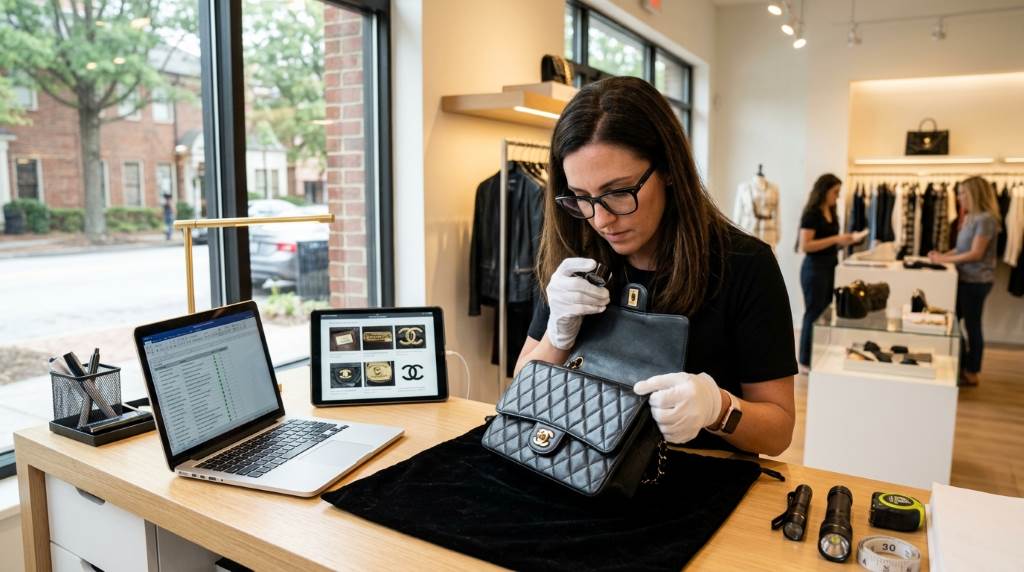
Luxury resale continues to grow across the United States, and Atlanta has become one of the strongest regional markets for designer accessories. Recent retail studies show that secondhand luxury sales are rising faster than traditional fashion retail, especially among younger buyers. As a result, consignment stores now invest heavily in authentication and quality control before listing any product for resale. Many shoppers also research details like the authentic michael kors bag serial tag to understand how real luxury bags should look. Because counterfeit production has become more advanced, stores in Atlanta, GA use detailed verification systems to protect both buyers and sellers.
Why Authentication Matters in Atlanta’s Luxury Resale Market
Atlanta has a strong luxury fashion culture that supports a busy consignment industry throughout the city. High demand for brands like Louis Vuitton, Gucci, Chanel, and Prada has also increased the circulation of fake products. Therefore, reputable consignment stores must maintain strict quality standards before placing any item on display. Buyers expect transparency, especially when they invest hundreds or thousands of dollars in a pre owned handbag.
Many stores now educate customers about authentication signs before resale begins. Some even publish guides similar to designer bag quality concerns to explain why counterfeit detection matters. This process builds trust between the shop and the customer while reducing costly disputes later. Moreover, stores with strong verification systems often attract repeat luxury buyers.
Initial Physical Inspection of Designer Bags
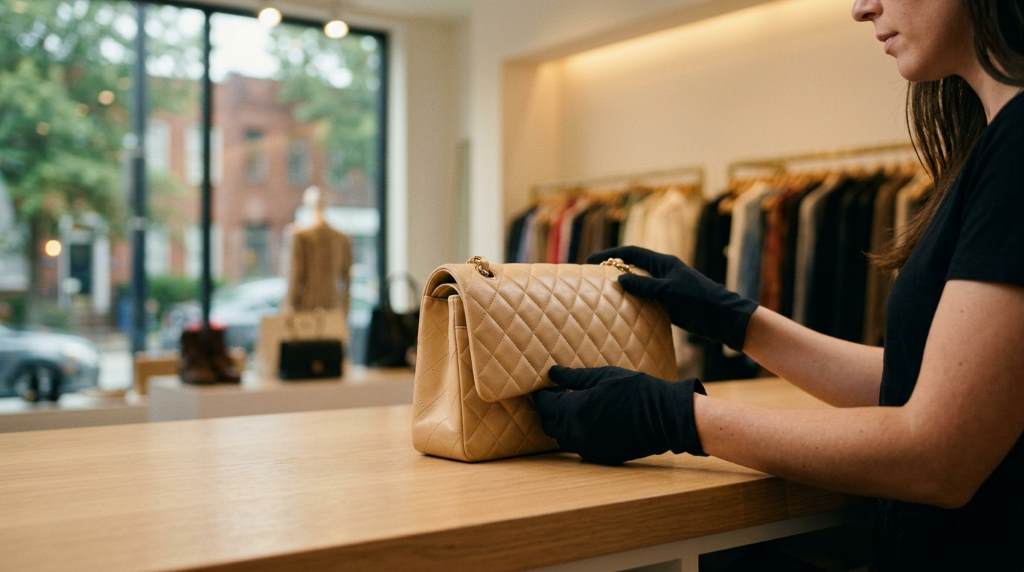
The first step usually involves a complete physical inspection under bright lighting conditions. Experts check stitching consistency, hardware placement, leather texture, and logo alignment with close attention. Authentic designer bags typically maintain near perfect symmetry and balanced construction throughout the design. In contrast, counterfeit products often show uneven stitching or low quality hardware finishes.
Atlanta’s humid climate also affects leather condition during inspections. Because moisture can weaken luxury materials over time, consignment stores look carefully for mold, odor, and discoloration. Stores often reject bags with serious humidity damage even if the item remains authentic. Therefore, quality verification includes both authenticity and long term usability.
Checking Stitching Quality
Luxury brands maintain precise stitching patterns that counterfeit factories struggle to duplicate consistently. Inspectors count stitches per inch and compare them against known brand standards for accuracy. Furthermore, authentic bags rarely contain loose threads or irregular seam spacing around corners. Many Atlanta stores train staff specifically to identify these subtle stitching differences.
Inspecting Hardware Details
Hardware inspection plays a major role in identifying counterfeit handbags before resale approval. Experts examine zipper engravings, lock shapes, screw placement, and metal weight during evaluation. Authentic luxury hardware usually feels heavier because premium brands use solid metals instead of lightweight substitutes. Additionally, tarnishing patterns often reveal whether the hardware quality matches the original manufacturer standards.
Serial Numbers, Date Codes, and Brand Markings
Most luxury brands include serial numbers, date codes, or authentication markings inside their bags. Consignment stores verify these identifiers against known production databases and historical brand records. However, experienced authenticators know that counterfeiters sometimes copy real serial numbers onto fake products. Therefore, inspectors never rely solely on tags or printed codes.
Many professional authenticators also compare fonts, spacing, embossing depth, and placement accuracy during inspection. Stores often educate buyers with articles similar to avoid flimsy luxury bags because fake products usually reveal cheap construction details. This extra verification process helps Atlanta stores maintain strong reputations in a competitive resale market. As a result, shoppers feel more confident when purchasing secondhand designer accessories.
Brand Specific Verification Methods
Different luxury brands require different authentication techniques during the verification process. For example, Louis Vuitton uses date codes and material consistency checks across product lines. Chanel bags often require hologram verification and serial sticker analysis for accurate authentication. Meanwhile, Gucci authentication may involve detailed logo measurements and fabric pattern comparisons.
Some Atlanta consignment shops even maintain private reference libraries filled with authentic brand examples. These collections allow experts to compare questionable bags side by side with verified originals. Because counterfeit manufacturing changes frequently, stores update these references regularly to stay accurate. This uncommon practice gives experienced resellers an advantage when spotting newer fake designs.
Material and Leather Testing Procedures
Luxury handbags use premium materials that behave differently from synthetic imitations during inspection. Therefore, authenticators test leather flexibility, grain texture, and natural aging patterns before approval. Real leather develops subtle wear characteristics that counterfeit materials often fail to replicate properly. Stores also examine interior linings because fake products usually cut corners inside the bag.
Atlanta’s seasonal heat can affect leather softness and structure over time. As a result, experienced consignment experts understand how authentic luxury materials react to local climate conditions. They check for unnatural cracking, peeling, or stiffness that may indicate poor quality imitation materials. This climate aware evaluation helps stores avoid purchasing damaged inventory.
Smell and Texture Analysis
One uncommon yet important verification method involves smell and texture analysis during inspection. Genuine luxury leather often carries a natural scent that synthetic materials cannot duplicate accurately. Skilled authenticators can identify chemical odors associated with counterfeit adhesives and artificial coatings. Additionally, authentic leather usually feels smoother and more balanced across the entire surface.
Texture analysis also helps inspectors identify unauthorized repairs or material replacements. Some counterfeiters combine authentic hardware with fake leather sections to confuse buyers during resale. Therefore, Atlanta stores inspect every panel carefully rather than focusing only on visible logos. This detailed approach reduces the risk of counterfeit products entering inventory.
Technology Used for Authentication
Modern consignment stores increasingly use digital technology to support manual authentication procedures. Some shops now rely on microscopic imaging devices to inspect stitching precision and leather grain patterns. Others use ultraviolet lighting to identify hidden security markings placed by luxury manufacturers. Technology cannot replace human expertise completely, but it improves consistency during evaluations.
Several Atlanta resale businesses also partner with third party authentication platforms for additional security. These services provide expert reviews based on detailed photographs and product data submissions. Consequently, stores gain extra confidence before listing expensive handbags for public sale. Customers also appreciate knowing that multiple authentication layers protect their purchases.
Artificial Intelligence in Luxury Verification
Artificial intelligence now assists some luxury resale businesses with counterfeit detection and pattern recognition. AI systems compare product images against massive databases of verified authentic handbags within seconds. Although human review remains essential, these tools help identify suspicious details more efficiently. This technology continues expanding throughout the luxury resale industry.
Atlanta stores adopting AI verification often process inventory faster while maintaining quality standards. However, experienced authenticators still perform final reviews before accepting any bag for resale. Technology works best when paired with expert human judgment and brand specific knowledge. Therefore, successful stores combine both methods rather than relying entirely on automation.
Condition Grading Before Resale
Authentication alone does not guarantee resale approval in Atlanta consignment stores. Experts also grade overall condition to determine whether the bag meets customer expectations. They inspect corner wear, handle damage, interior stains, and hardware scratches carefully before pricing the item. Accurate grading protects buyers from misleading product descriptions after purchase.
Most consignment stores use categories such as excellent, very good, good, or fair condition. These ratings help customers understand expected wear before making a purchasing decision. Furthermore, transparent grading improves customer satisfaction and reduces product returns significantly. Trust remains one of the most valuable assets in luxury resale.
Repair and Restoration Evaluation
Some authentic designer bags receive professional restoration before entering resale inventory. However, stores disclose these repairs clearly because restoration affects resale value and buyer expectations. Experts evaluate whether repairs match original craftsmanship standards before approving the item for sale. Poor restoration work can lower both credibility and market value.
Atlanta stores often work with leather specialists who understand luxury handbag construction techniques. These professionals repair scratches, replace damaged edging, and restore faded interiors carefully. Yet reputable stores avoid excessive modifications that could compromise authenticity verification later. Balanced restoration helps preserve both appearance and long term value.
Seller Screening and Documentation Checks
Reliable consignment businesses also verify the seller before accepting luxury handbags for evaluation. Many stores request purchase receipts, authenticity cards, dust bags, or original packaging when available. Although these documents alone cannot confirm authenticity, they provide useful supporting evidence during inspection. Stores also maintain seller records to reduce fraud risks.
Some Atlanta consignment shops refuse anonymous transactions because organized counterfeit activity has increased nationwide. Therefore, customer identification and transaction history play important roles in the intake process. This policy protects businesses from legal complications involving stolen or fake merchandise. Responsible documentation practices strengthen the resale ecosystem overall.
How Atlanta’s Fashion Culture Influences Authentication Standards
Atlanta has a unique luxury fashion market shaped by entertainment, business, and social media influence. High profile events throughout the city create strong demand for premium designer accessories year round. Consequently, local consignment stores face intense pressure to maintain strict authenticity standards consistently. Even one counterfeit incident can damage a store’s reputation quickly.
Many shops now invest heavily in employee education and ongoing luxury brand training programs. Some businesses even share customer education resources similar to bag authenticity customer insights to build transparency with shoppers. This customer focused approach strengthens long term relationships and encourages repeat business. Education has become just as important as inventory quality in modern luxury resale.
Tips for Buyers Shopping at Consignment Stores in Atlanta
Buyers should always ask about authentication procedures before purchasing any luxury handbag from a resale store. Reputable businesses explain their verification process clearly and provide supporting documentation whenever possible. Customers should also inspect stitching, hardware, and interior details personally before finalizing the purchase. Careful evaluation helps buyers avoid disappointment later.
- Ask whether third party authentication services were used.
- Request detailed condition grading information before purchase.
- Check return policies carefully for high value luxury items.
- Inspect leather smell, texture, and hardware weight personally.
- Compare serial numbers with known brand formatting patterns.
Shoppers should also consider Atlanta’s climate when storing luxury handbags after purchase. Humidity control and proper ventilation help prevent mold growth and leather deterioration over time. Using dust bags and structured storage methods extends the life of designer accessories significantly. Good maintenance protects both appearance and resale value.
Conclusion
Consignment stores in Atlanta, GA use a combination of expert training, advanced technology, material analysis, and seller verification to confirm designer bag quality before resale. These businesses understand that authenticity and condition directly affect customer trust in the luxury resale market. Therefore, thorough inspections remain essential for protecting buyers and maintaining strong reputations. If you plan to buy or sell luxury handbags, choose a store with transparent authentication standards and proven industry experience. You can also explore resources like trusted luxury bag guidance to learn more before making your next purchase.
FAQs
How do consignment stores verify luxury handbags?
They inspect stitching, hardware, serial numbers, materials, and overall construction before resale approval.
Can fake designer bags have real serial numbers?
Yes, counterfeiters sometimes copy real serial numbers, so experts use additional verification methods.
Why does Atlanta’s climate matter for designer bags?
Humidity and heat can damage leather, cause mold growth, and weaken bag structure over time.
Do consignment stores use technology for authentication?
Many stores now use AI tools, ultraviolet lighting, and microscopic imaging during inspections.
Should buyers ask for authentication proof before purchasing?
Yes, buyers should always request authentication details and condition grading information.