
Some budget bikes start making noises before the tires even lose their factory shine, and that’s exactly why understanding common Huffy mountain bike problems matters before spending your money. The biggest issue with many entry-level Huffy MTBs is not speed or appearance — it’s long-term durability, inconsistent component quality, and maintenance-related budget bike drawbacks that surprise first-time buyers after only a few rides.
What are the most common Huffy mountain bike problems?
The most common Huffy mountain bike problems include weak suspension systems, heavy steel frames, poor-quality brakes, wheel alignment issues, and drivetrain reliability concerns. These are typical common MTB issues found in many low-cost mountain bikes.
Huffy mountain bikes are widely sold through large retailers because they are affordable and beginner-friendly. Models like the Huffy Stone Mountain, Huffy Exxo, and Huffy Extent attract casual riders looking for inexpensive transportation or light trail riding.
But affordability often comes with trade-offs. Many riders discover that entry-level components wear out faster than expected. In online cycling forums and retailer reviews, recurring complaints include:
- Loose handlebars after short use
- Chain slipping under pressure
- Brakes requiring constant adjustment
- Heavy frame fatigue during climbs
- Suspension forks that provide little actual damping
That does not automatically make Huffy bikes “bad.” It means buyers should understand what they are purchasing and whether the bike matches their riding expectations.
Why do budget mountain bikes like Huffy have more problems?
Budget mountain bikes typically use lower-cost materials and entry-level components to keep prices affordable. This leads to compromises in durability, performance, and long-term reliability.
Most Huffy mountain bikes are priced far below premium brands like Trek, Specialized, or Giant. To reach those lower prices, manufacturers reduce costs in several areas:
- Steel instead of lightweight aluminum
- Basic suspension forks
- Lower-grade drivetrains
- Mechanical disc brakes instead of hydraulic systems
- Factory assembly optimized for speed, not precision
According to industry reports from the cycling market, high-end mountain bike suspension forks alone can cost more than an entire budget MTB. That difference affects ride quality dramatically.
For casual neighborhood riding, these limitations may not matter much. But riders expecting aggressive trail performance often encounter disappointment quickly.
Are Huffy mountain bikes too heavy for trail riding?
Many Huffy mountain bikes are heavier than comparable entry-level bikes from performance-focused brands. Their steel frames add durability but reduce climbing efficiency and maneuverability.
Weight is one of the biggest budget bike drawbacks riders notice immediately. Some Huffy mountain bikes weigh between 38 and 45 pounds, which is significantly heavier than many aluminum hardtail mountain bikes.
Why does bike weight matter?
A heavier mountain bike affects:
- Acceleration
- Hill climbing
- Rider fatigue
- Cornering control
- Trail responsiveness
For example, climbing steep terrain on a heavy steel-frame bike requires noticeably more effort. Casual riders may not mind this on flat roads, but trail riders often feel the difference after longer rides.
| Bike Type | Average Weight | Frame Material | Trail Performance |
|---|---|---|---|
| Huffy Budget MTB | 38–45 lbs | Steel | Basic |
| Entry-Level Trek Marlin | 30–33 lbs | Aluminum | Moderate |
| Mid-Range Hardtail MTB | 26–30 lbs | Aluminum/Carbon | Advanced |
The extra weight also impacts transportation and storage. Carrying a heavy bike upstairs or loading it into a vehicle becomes harder over time.
Do Huffy mountain bikes have weak suspension systems?
Most Huffy mountain bikes use basic suspension forks designed for comfort rather than aggressive trail absorption. They often lack true damping technology found in higher-end MTBs.
One of the most discussed common MTB issues involves the front suspension fork. Many budget forks are “spring-only” systems. They compress when hitting bumps but do not efficiently control rebound.
What problems does poor suspension cause?
- Reduced traction on rough terrain
- Harsh impact feeling
- Less control during descents
- Increased arm fatigue
- Bouncing after obstacles
Some riders mistakenly assume any front suspension equals trail capability. In reality, quality suspension systems use oil damping, adjustable rebound, and lockout features that are rarely available on low-cost bikes.
For pavement, parks, and mild dirt paths, Huffy suspension is usually acceptable. Serious mountain biking is where limitations become obvious.
Are Huffy mountain bike brakes reliable?
Huffy mountain bike brakes are generally adequate for casual riding, but many riders report frequent adjustment needs and inconsistent stopping power.
Brake performance is critical on any MTB. Entry-level Huffy bikes often use:
- Linear-pull V-brakes
- Basic mechanical disc brakes
- Low-cost brake pads
Common brake-related complaints include:
- Squeaking noises
- Weak stopping performance
- Brake rubbing
- Cable stretching
- Frequent realignment
Mechanical disc brakes can work well when properly adjusted, but cheaper versions often lose performance quickly. Riders descending steep terrain may notice reduced confidence compared to hydraulic systems.
This becomes especially important in wet conditions. Lower-quality brake pads wear faster and lose grip more easily in mud or rain.
Why do Huffy bike chains slip or skip gears?
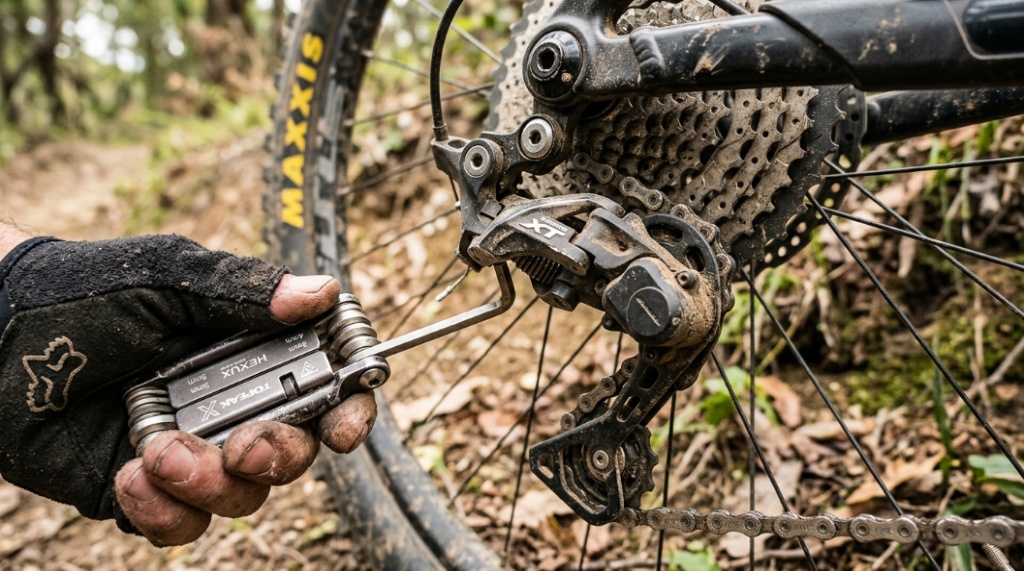
Chain slipping and poor shifting are common problems caused by low-end drivetrains, improper factory setup, and cable tension issues.
Many new riders assume gear skipping means the bike is defective. In reality, budget mountain bikes often require tuning immediately after purchase.
Common drivetrain problems include:
- Misaligned derailleurs
- Loose chain tension
- Cheap freewheel systems
- Inconsistent shifting under load
- Rapid drivetrain wear
Retail assembly quality also plays a major role. Bikes sold in large retail stores are not always assembled by professional bike mechanics. Improper derailleur adjustment is extremely common.
A professional tune-up after purchase can significantly improve shifting performance.
How long do Huffy mountain bikes usually last?
Huffy mountain bikes can last several years with light recreational use, but aggressive trail riding typically shortens component lifespan considerably.
Durability depends heavily on riding style and maintenance habits.
Factors affecting lifespan:
- Riding frequency
- Terrain difficulty
- Maintenance consistency
- Weather exposure
- Rider weight
For example:
- A rider using a Huffy bike for neighborhood commuting may get years of use.
- A rider using the same bike on rocky trails several times weekly may experience faster failures.
Wheel truing problems, spoke loosening, and drivetrain wear become more common under stress.
Budget bikes are not necessarily designed for repeated high-impact mountain biking.
Are Huffy mountain bikes safe for beginners?
Huffy mountain bikes are generally safe for casual beginner riding when properly assembled and maintained. However, riders should not expect advanced trail performance.
For beginners, affordability can be helpful. Many people want to test whether they enjoy cycling before investing heavily.
Huffy bikes may work well for:
- Neighborhood rides
- Bike paths
- Light gravel trails
- Fitness riding
- Short-distance commuting
They are less suitable for:
- Technical mountain trails
- Frequent jumps
- Steep downhill riding
- Long-distance trail adventures
- Competitive riding
The key issue is matching expectations to bike capability.

What maintenance problems are common with Huffy mountain bikes?
Frequent maintenance is one of the biggest hidden costs of owning a budget mountain bike. Components often require more adjustments than higher-quality bikes.
Many riders underestimate ongoing bike maintenance needs.
Most common maintenance issues:
- Brake cable adjustments
- Wheel truing
- Chain lubrication
- Gear indexing
- Pedal loosening
- Bottom bracket noises
Because lower-end components wear faster, maintenance intervals become shorter.
Some owners eventually spend enough on repairs and upgrades that buying a slightly better bike initially would have been more cost-effective.
Can you upgrade a Huffy mountain bike?
Yes, Huffy mountain bikes can be upgraded, but major upgrades are often not financially practical compared to buying a better-quality bike initially.
Some riders enjoy upgrading budget bikes as hobby projects.
Common upgrades include:
- Better tires
- Improved brake pads
- Comfort saddles
- Aluminum handlebars
- Higher-quality pedals
- New drivetrain components
However, upgrading core systems like suspension forks or wheelsets can become expensive quickly.
For example:
| Upgrade | Estimated Cost | Worth It? |
|---|---|---|
| New tires | $40–$80 | Usually yes |
| Brake upgrade | $60–$150 | Sometimes |
| Suspension fork replacement | $150–$400 | Often no |
| Wheelset replacement | $200–$500 | Usually no |
At some point, upgrading becomes less economical than purchasing a better mountain bike.
How do Huffy mountain bikes compare to better entry-level brands?
Huffy mountain bikes are cheaper upfront but often trail behind brands like Trek, Giant, Cannondale, and Specialized in component quality, ride performance, and durability.
The main difference comes down to engineering priorities.
Budget-focused brands prioritize:
- Low retail price
- Mass-market accessibility
- Basic recreational use
Performance-focused brands prioritize:
- Ride efficiency
- Durability
- Component quality
- Long-term ownership value
That said, not everyone needs a premium bike.
A casual weekend rider may find a Huffy perfectly acceptable. But riders developing serious mountain biking interest often upgrade within one or two years.
Should you buy a Huffy mountain bike?
You should buy a Huffy mountain bike only if your expectations match its intended use: casual, low-intensity riding on a limited budget.
If your primary goals are:
- Affordable transportation
- Occasional recreational rides
- Light fitness riding
- Learning basic cycling skills
Then a Huffy bike may provide reasonable value.
But if you plan serious trail riding, technical descents, or long-term performance use, investing in a higher-quality entry-level MTB may save money and frustration later.
The biggest mistake buyers make is expecting a department-store mountain bike to perform like a dedicated trail bike.
Conclusion: Are Huffy mountain bike problems a dealbreaker?
Huffy mountain bike problems are not necessarily dealbreakers, but they are important to understand before buying. The most common concerns — heavy frames, weak suspension, frequent maintenance, brake adjustments, and drivetrain issues — are typical budget bike drawbacks associated with low-cost mountain bikes.
For beginners or casual riders, a Huffy bike can still be useful. It offers an affordable way to start cycling without a major financial commitment. But riders expecting aggressive trail performance or long-term durability may outgrow the bike quickly.
The smartest buying decision comes from matching the bike to your riding goals. If you mainly ride pavement, parks, and easy trails, Huffy may be enough. If you want technical mountain biking capability, spending more upfront often leads to better performance, lower maintenance, and greater long-term value.
Before buying any mountain bike, inspect component quality, understand maintenance expectations, and compare total ownership costs — not just sticker price.
FAQ: Common Huffy Mountain Bike Questions
Are Huffy mountain bikes good for adults?
Yes, Huffy mountain bikes can work for adults who want casual recreational riding or short commutes. They are less ideal for advanced trail riding or heavy daily use.
Why are Huffy mountain bikes so cheap?
Huffy bikes are cheaper because they use entry-level components, steel frames, and mass-production methods that reduce manufacturing costs.
Do Huffy bikes break easily?
Not necessarily, but lower-end parts wear out faster under aggressive use. Casual riding usually causes fewer problems than technical trail riding.
Can a Huffy mountain bike handle trails?
Huffy mountain bikes can handle light dirt paths and beginner trails, but they are not designed for technical mountain biking or aggressive downhill riding.
Should I upgrade or replace a Huffy bike?
Small upgrades like tires or brake pads may be worthwhile. Major upgrades often cost more than the bike’s long-term value.
How often should a Huffy mountain bike be maintained?
Basic maintenance should be performed monthly for casual riders and more frequently for trail riders. Chain lubrication and brake checks are especially important.
What is the biggest problem with budget mountain bikes?
The biggest issue is balancing affordability with durability. Lower-cost bikes often require more maintenance and provide lower performance on demanding terrain.
📌 Related Reads
Discover: DIY Garden Hoe Edge Maintenance Tips for Homeowners in Denver, CO
Explore: Why High Handicappers Love the Callaway Rogue ST Max