
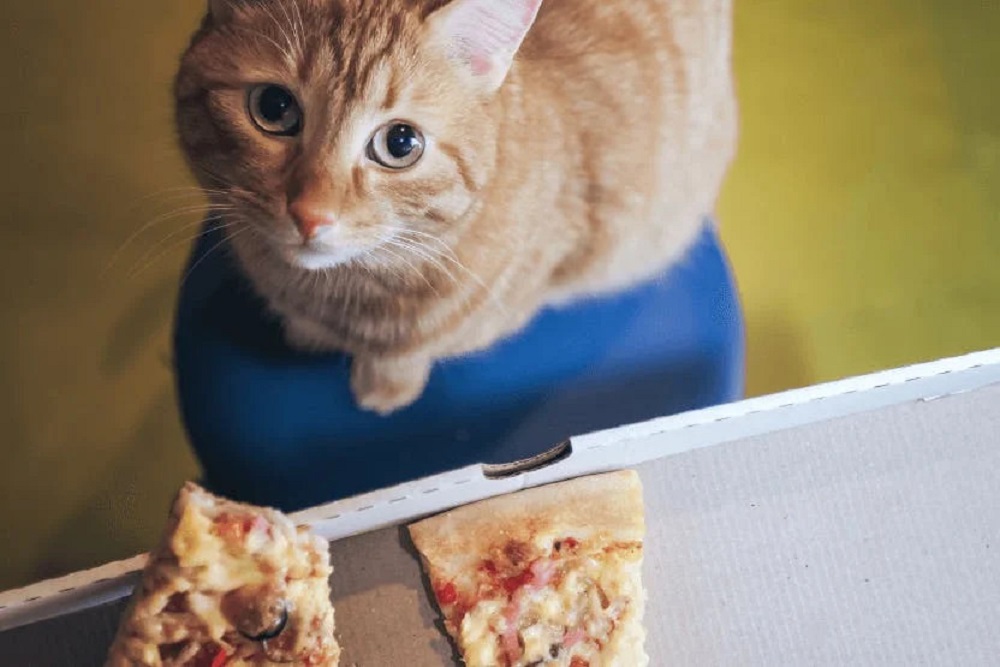
Did you know that cheese is perfectly safe for cats? In fact, cheese is one of their favorite foodstuffs. From soft cheese to hard cheese, there’s a lot of varieties of cheese that cats can eat.
But before we get into the wonders of cheese for cats, let’s first understand if it’s good for them. And most importantly, how to feed it to your cat. Whether soft cheese or hard cheese, there are certain guidelines to follow while feeding cheese to your cat. Let’s dive into this information and have an enriched experience with cats and their love for food!
Is cheese good for cats?
Yes, cheese is good for cats. Some cats may enjoy a small amount of cheese on occasion, but for the most part, cheese is not good for cats. That’s because cheese can contain harmful bacteria that can be harmful to a cat’s health. Cats may eat too much cheese if it is available in their environment. Also, cheese can lead to weight gain in cats and may contribute to obesity in cats. So keep cheese out of the reach of your feline friend and provide them with healthy food options instead.

How to feed cheese to a cat
If you’re curious about feeding cheese to your feline friend, the answer is yes. Cheese is a dairy product that cats can eat with some moderation. That is, if it isn’t too high in fat or other types of calories. Cats cannot digest lactose, the sugar in milk. That means they can eat dairy products such as cheese, but they should be low-fat or non-dairy varieties.
In terms of protein and fat, cheese is high in both nutrients. This can be beneficial to cats as it helps keep them healthy and strong. Additionally, cheese can help reduce the amount of food a cat consumes overall. To feed cheese to a cat, first make sure it is soft enough for them to chew. You could gently warm the cheese in a bowl of water or use a food processor to break it into small pieces.
What cheese is safe for cats
Yes, cats can eat cheese as part of their diet. Cats are obligate carnivores and require animal-based proteins to survive. Cheese is a good source of protein for cats, as it contains all the essential amino acids that the feline digestive system requires.
Ideally, cats should be fed cheese in moderation, as it is high in calories and shouldn’t be the only source of food in kitty’s diet. They can eat soft cheeses such as cottage cheese or brie, or hard cheeses such as cheddar or gouda. Cats should not eat hard cheeses such as brie or cheddar, as they can contain harmful bacteria that could cause intestinal upset in cats.
In addition to dairy products, cats also enjoy other types of protein, such as fish and chicken. Also, be sure to provide your feline friend with plenty of fresh water and clean food bowls to prevent digestive problems and other health issues.
Types of cheese that cats can eat
– Soft cheese: Types of cheese that cats can eat include brie, camembert, cream cheese, and feta. These types of cheese are soft enough for cats to eat without the risk of becoming sick.
– Hard cheese: Cats shouldn’t eat hard cheeses such as cheddar, blue cheese, and gouda because they contain high levels of casein, which is a type of protein that can be harmful to cats. Instead, try feeding them cheeses with rinds like Roquefort, Gorgonzola, or Chevre.
– Rindless cheeses: When feeding cats rindless cheeses such as Roquefort or Gorgonzola, make sure to remove the rind before feeding the dairy food. Without the rind, these cheeses will not have the chance to spoil as quickly as other types of cheese.
– Pasteurized cheeses: Cats should not eat pasteurized cheeses such as Brie or Camembert because the process of pasteurization kills most of the bacteria that can make these dairy products harmful to cats. Instead, try feeding them ripened cheese made from raw milk like Feta.
– Cheese made from raw milk: Most dairy products made from raw milk are safe for dogs and cats to eat. However, it’s best to avoid giving your kitty any dairy products made from raw milk if you know your feline friend has a dairy allergy.
Risks associated with a cat eating cheese
There are risks associated with a cat eating cheese, especially if it contains harmful bacteria. vomiting and diarrhea are common symptoms of cheese poisoning in cats. Additionally, the dairy products can lead to vomiting, diarrhea, gassiness, and even seizures in feline patients. This can be dangerous and may require immediate veterinary attention. Another side effect of feeding cats dairy products is weight gain. Cats tend to overeat dairy products due to their high fat content and can gain too much weight, which can lead to health problems such as obesity and diabetes. Therefore, cheese isn’t the best food for your feline friend and should only be fed in small amounts as a treat.
Conclusion
There is no doubt that cheese is a well-loved food among cats. It’s high in fat, making it a favored food among felines. Despite this, cheese poses some health risks. For one, dairy products are highly lactose-sensitve, which could cause diarrhea in your cat. While lactose intolerance in cats is fairly uncommon (and cheese is safe for most feline diets), dairy products can trigger vomiting and diarrhea in some cats. Besides this, dairy products can also cause constipation and vomiting if not thoroughly digested by your cat’s digestive system. Comment below if you have any questions related to the subject!